
Improving a home involves more than choosing attractive paint colors or replacing outdated fixtures. A well-maintained property should look inviting, provide a comfortable environment, and operate efficiently throughout the year. Roofing, appliances, and other features can influence household spending on maintenance, utilities, and repairs.
Approaching home improvements strategically allows homeowners to identify projects that offer multiple benefits. Updating exterior materials, for example, can improve the appearance of a property while protecting it from harsh weather. Modernizing electrical systems and replacing aging equipment can make everyday routines more convenient while supporting changing household needs.
Effective improvement plans account for property conditions, local climate, and household priorities. Instead of completing projects solely for aesthetic reasons, homeowners can consider how each investment contributes to the overall performance of their living space. Understanding the relationship between exterior maintenance, indoor comfort, and energy consumption can help homeowners make informed decisions that deliver lasting benefits.
Strengthening Roof Protection and Visual Appeal
A roof is one of the most prominent features of a home’s exterior. Its shape, color, and condition contribute to the property’s architectural character, while its materials protect the structure from rain, snow, wind, and sunlight. Missing shingles, visible discoloration, and deteriorating flashing can detract from the appearance of a house and indicate problems that require further investigation.
Consulting residential roofing companies gives homeowners an opportunity to assess existing conditions and explore materials that complement the property’s design. Asphalt shingles, metal roofing, and other options offer different combinations of appearance, durability, and maintenance requirements. The appropriate selection depends on factors such as regional weather patterns, roof slope, structural conditions, and available budget.
Roofing projects also provide opportunities to evaluate ventilation and insulation. Appropriate attic ventilation and insulation can help manage moisture and reduce unwanted heat transfer between the attic and occupied rooms. These improvements should be coordinated carefully because ventilation requirements vary depending on the construction and design of the home.
Homeowners can preserve the appearance and performance of their roofing systems through periodic professional inspections. Addressing deteriorating sealants, damaged materials, and drainage problems early may prevent more extensive repairs. Scheduling an evaluation after severe weather can also reveal damage that might not be apparent from ground level. By maintaining this essential exterior feature, homeowners can support both structural protection and the visual consistency of their property.
Improving Exterior Drainage and Weather Resistance
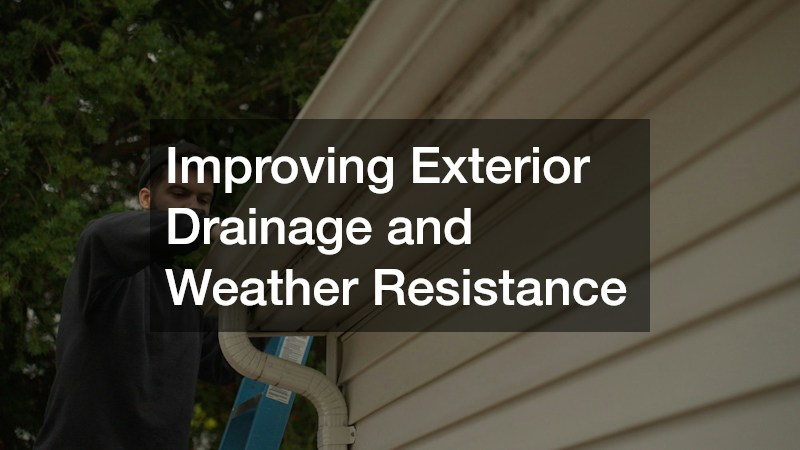
Effective water management plays an important role in preserving a home’s exterior. When rainwater is not directed away from the building, moisture can accumulate around the foundation, damage landscaping, and leave unsightly stains on exterior surfaces. Maintaining functional drainage systems helps prevent these problems while keeping the property looking organized and cared for.
Installing replacement gutters may be appropriate when existing channels are cracked, sagging, corroded, or frequently overflowing despite cleaning. Homeowners can coordinate gutter colors and profiles with roofing and trim. Properly positioned downspouts should discharge water away from vulnerable areas without directing runoff toward neighboring properties or creating slippery walkways.
Exterior cladding deserves similar attention because it forms another layer of protection against weather exposure. Experienced siding contractors can evaluate damaged panels, identify potential moisture concerns, and explain the advantages of different materials. Vinyl, fiber cement, wood, and engineered products vary in appearance, upkeep, and installation requirements, making it important to compare options based on long-term ownership costs.
Updating siding also creates an opportunity to assess the underlying wall assembly. Depending on existing conditions, improvements may include repairing deteriorated sheathing, addressing air leaks, or adding compatible insulation. Coordinating these tasks during an exterior renovation can reduce the need to disturb newly installed materials later. Thoughtful drainage and cladding upgrades can produce a cleaner exterior appearance while helping protect the investment homeowners have made in their property.
Modernizing Electrical Systems for Changing Household Needs
Modern households rely on electricity for lighting, cooking, entertainment, communication, and increasingly, transportation. Older electrical systems may not have been designed to accommodate the number or types of devices people use today. Frequent breaker trips, outdated outlets, and insufficient circuit capacity can signal the need for a professional evaluation rather than additional extension cords or temporary solutions.
Working with certified electricians allows homeowners to assess their electrical infrastructure and determine which improvements are appropriate. Professionals can evaluate service capacity, inspect wiring, and recommend changes that support the safe operation of household equipment. Depending on local requirements and the scope of the project, electrical upgrades may also require permits and inspections.
Lighting improvements offer another opportunity to combine practical benefits with visual appeal. Energy-efficient fixtures can illuminate entryways, highlight architectural features, and improve visibility along stairs and pathways. Inside the home, layered lighting can make kitchens, living rooms, and workspaces more adaptable to different activities without relying exclusively on bright overhead fixtures.
Homeowners who drive electric vehicles may also benefit from planning for EV charger installation. An electrician can assess electrical capacity, equipment, and charging locations. Considering future vehicle purchases or other electrical upgrades at the same time can help homeowners avoid unnecessary modifications. A coordinated approach to electrical modernization supports everyday convenience while preparing the property for evolving technology and household routines.

Enhancing Hot Water Performance and Household Efficiency
Reliable hot water contributes to many daily activities, including bathing, cleaning, cooking, and laundry. When a water heater performs inconsistently or requires frequent repairs, the disruption can affect the entire household. Evaluating equipment before failure gives homeowners more flexibility to compare options and plan for the expense.
Professional water heater services can help identify the causes of inconsistent temperatures, unusual noises, inadequate hot water, or visible leakage. In some situations, maintenance or replacement of a specific component may restore performance. Older equipment with substantial deterioration, however, may warrant replacement rather than continued investment in repairs.
When comparing new systems, homeowners should consider household size, simultaneous hot water demands, available fuel sources, installation space, and operating costs. Conventional storage tanks, tankless models, and heat pump water heaters each have advantages and limitations. Choosing equipment based on actual household requirements is generally more useful than selecting a system solely because of its advertised capacity or initial purchase price.
Additional improvements may include appropriate pipe insulation and repairing leaking fixtures. These measures can complement equipment upgrades by reducing avoidable waste and improving everyday performance. Homeowners should also understand manufacturer maintenance recommendations and arrange qualified service when problems arise. A dependable hot water system might not be visible from the street, but it remains an important part of creating a comfortable, functional, and efficient home that supports the needs of its occupants.
Creating Comfortable Indoor Conditions Throughout the Year
Indoor comfort depends on more than adjusting a thermostat. Insulation, air circulation, humidity, window performance, and equipment condition all influence how consistently a home maintains comfortable temperatures. Rooms that become excessively warm or remain noticeably colder than others may indicate problems that need attention before homeowners invest in new equipment.
Professional air conditioning installations should account for the size, layout, and thermal characteristics of the building. Equipment that is improperly sized can create comfort problems and operate inefficiently. Evaluating cooling requirements alongside existing ductwork and insulation helps contractors recommend systems suited to the specific property instead of square footage alone.
Homeowners can also consider how exterior improvements affect indoor temperatures. Shading windows with appropriate awnings or vegetation, sealing unwanted air leaks, and improving insulation may reduce the amount of heat entering or leaving the home. These changes can complement mechanical equipment and help create more stable conditions in frequently occupied spaces.
Routine maintenance remains important even after modern equipment is installed. Replacing or cleaning filters according to manufacturer recommendations, keeping outdoor equipment free of obstructions, and arranging periodic professional service can support consistent performance. Programmable or smart thermostats may also help households manage temperature settings around their schedules. Combining efficient equipment with thoughtful building improvements and regular maintenance allows homeowners to pursue greater comfort without treating increased energy consumption as an unavoidable consequence of changing seasons.

Designing an Attractive and Practical Landscape
Outdoor spaces shape a property’s first impression. Healthy plants, defined garden beds, and well-maintained pathways can make a house appear more inviting while creating usable areas for relaxation and recreation. Landscaping decisions should reflect the architectural style of the home, the available space, and the amount of maintenance residents can realistically manage.
A professional landscaper can help homeowners develop a design that balances aesthetic preferences with practical requirements. Plant selection should account for sunlight, soil conditions, drainage, mature growth, and regional weather patterns. Choosing vegetation suited to the site can reduce unnecessary maintenance and help prevent overcrowding as plants become established.
Strategically positioned trees and shrubs may provide shade, privacy, and protection from prevailing winds. Deciduous trees can offer summer shade while allowing more sunlight through their branches during colder months. Planting locations should nevertheless account for root growth, overhead utilities, underground infrastructure, and the distance between mature vegetation and buildings.
Hardscaping features can also strengthen the visual structure of an outdoor space. Walkways, patios, retaining features, and defined borders help organize different areas of the yard and create natural connections between indoor and outdoor living spaces. Selecting materials that complement the exterior of the home produces a more cohesive design. Homeowners who prioritize functionality alongside appearance can create attractive surroundings that remain manageable and enjoyable well beyond the initial installation.
Managing Outdoor Water Use More Effectively
A healthy lawn and garden can enhance curb appeal, but maintaining vegetation does not necessarily require excessive water consumption. Understanding the needs of different plants and the characteristics of the soil allows homeowners to develop a watering strategy that supports growth without routinely wasting resources.
An appropriately designed lawn irrigation system can distribute water according to the requirements of different areas. Grass, flower beds, shrubs, and newly planted trees may have different watering needs, making separate zones useful for many properties. Professionals can evaluate water pressure, coverage patterns, and site conditions when recommending equipment and installation layouts.
Modern irrigation controls may help homeowners adjust schedules based on rainfall, seasonal conditions, and soil moisture. Drip irrigation can be useful in certain planting beds because it delivers water near plant roots. Regularly checking sprinkler heads, connections, and valves can also reveal leaks or misdirected spray that might otherwise send water onto driveways and sidewalks.
Landscape design can further support responsible water use. Mulching garden beds, choosing climate-appropriate plants, and improving soil conditions where necessary can help retain moisture and reduce the need for frequent watering. Homeowners should adjust watering as vegetation matures and weather changes. In regions that experience freezing temperatures, appropriate seasonal preparation can help protect irrigation equipment. Combining effective watering technology with sensible gardening practices supports a thriving landscape while helping homeowners manage ongoing maintenance and resource consumption.
Preparing the Property for Seasonal Weather Challenges
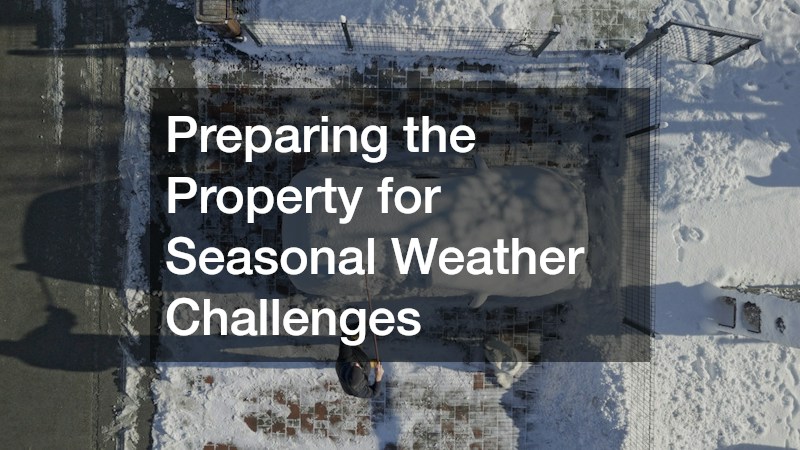
Seasonal changes introduce different maintenance requirements for residential properties. Spring often reveals damage caused by winter weather, while summer may place additional demands on cooling equipment and outdoor watering systems. Fall offers opportunities to prepare exterior surfaces, drainage systems, and household equipment before temperatures decline.
In areas with significant winter snowfall, residential snow removal companies can help homeowners maintain accessible driveways and walkways. Arranging service before winter arrives provides time to discuss scheduling, designated snow storage areas, and protection for landscaping or other vulnerable features. Maintaining clear access routes can be particularly valuable for households with limited mobility or demanding work schedules.
A seasonal maintenance calendar can help coordinate responsibilities that might otherwise be overlooked. Homeowners can schedule roof and gutter evaluations, arrange heating and cooling maintenance, monitor exterior materials, and prepare outdoor equipment according to local weather patterns. Keeping records of completed work, warranties, and recommended follow-up services can make future planning more straightforward.
Ultimately, improving a property’s appearance, comfort, and efficiency requires an ongoing commitment rather than a single renovation. Homeowners who evaluate projects according to their practical benefits can prioritize essential repairs before pursuing decorative changes. Coordinating professional services, monitoring equipment performance, and maintaining outdoor spaces throughout the year can help protect previous investments. With thoughtful planning and consistent attention, a home can remain attractive, welcoming, and responsive to changing household needs while providing a more enjoyable environment for everyday living.
