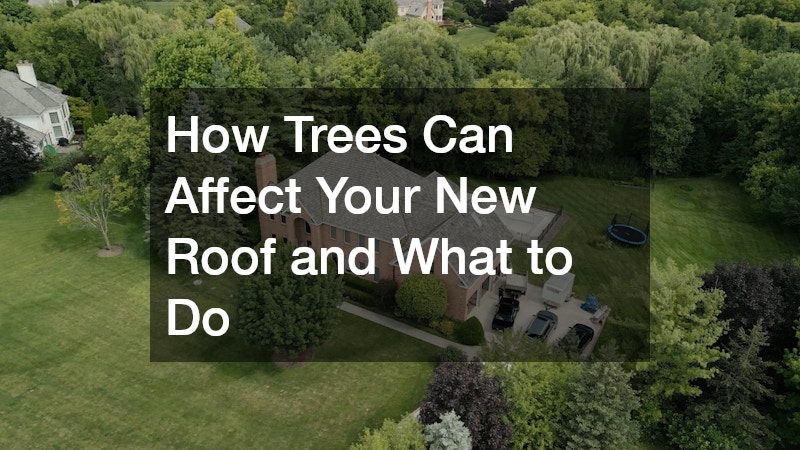
Trees provide shade, enhance the beauty of your property, and contribute to a healthier environment. However, while trees have many benefits, they can also pose challenges to the structural integrity of your roof. Overhanging branches, falling limbs, and root systems can cause physical damage, accelerate wear, and even create safety hazards if not properly managed. Homeowners planning a new roof or maintaining an existing one need to understand how trees interact with roofing structures and the proactive measures necessary to prevent costly damage. Addressing potential tree issues before or during roof installation ensures longevity, safety, and peace of mind.
Why is Tree Removal Important for Roof Maintenance?
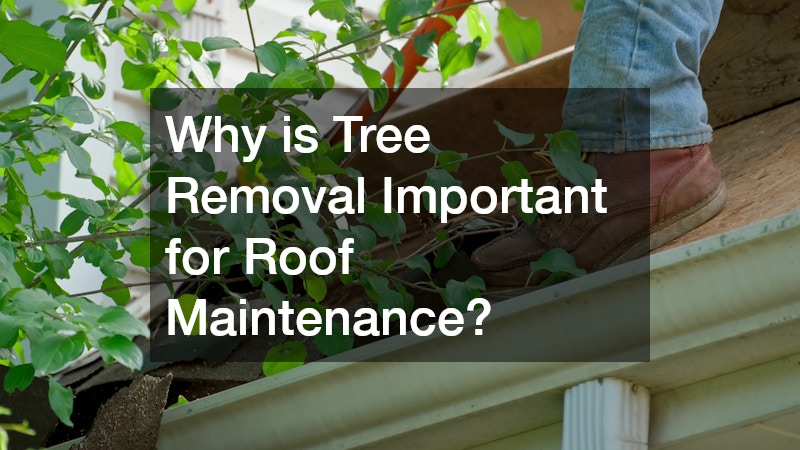
Engaging a local tree removal company is essential when trees pose a direct threat to your roof. Trees that are dead, diseased, or leaning toward your house are prime candidates for removal. Local experts can quickly assess the stability of your trees and determine whether removal is the safest option. Their familiarity with local species, regulations, and weather conditions ensures that the process is efficient and minimizes risk to both your property and the surrounding landscape.
Before deciding on removal, homeowners should assess the potential damage a tree can cause to the roof. Overhanging branches may scrape shingles during windy conditions, and falling limbs can puncture roofing materials. Accumulated leaves and debris can clog gutters, leading to water pooling and leaks. Understanding the level of risk helps homeowners prioritize which trees require immediate attention and which can be maintained through pruning or other interventions.
A professional tree removal service provides more than just cutting down a tree. Services typically include trimming, complete removal, stump grinding, and debris cleanup. By relying on trained professionals, homeowners avoid unsafe DIY attempts and reduce the likelihood of secondary damage to the roof, siding, or landscape. Comprehensive tree removal services address both immediate hazards and long-term maintenance, offering a complete solution to protect your roof.
How Can Tree Services Protect My Roof?
Various tree services can protect your roof without necessitating full removal. Pruning overhanging branches, thinning canopies, and removing deadwood reduces the risk of limbs falling onto your roof. Additionally, some companies offer emergency storm damage interventions and routine inspections to ensure trees remain safe and healthy. By addressing potential hazards proactively, tree services minimize the likelihood of roof damage and extend the life of your roofing materials.
Consistent tree maintenance provides multiple benefits. Regular trimming prevents branches from scraping shingles or interfering with gutters. It also reduces the risk of storm damage, improves sunlight exposure, and allows for better airflow around your property. Routine care ensures that trees do not compromise roof integrity while maintaining the aesthetic appeal and environmental benefits of mature trees.
Consulting a certified tree service expert allows homeowners to create a long-term care plan for their trees and roof. Experts can identify potential weak points, disease signs, and structural issues before they escalate into expensive roof repairs. Working closely with a professional ensures that both the trees and the roofing system are maintained safely and efficiently.
What Tree Removal Options Exist?
Homeowners have several methods to remove trees, and selecting the appropriate one is crucial. A professional tree removal company will assess factors such as tree size, proximity to the roof, and accessibility. Methods may include sectional removal, which involves cutting the tree into smaller pieces, or full felling if the tree is located at a safe distance. Choosing the right method minimizes damage and ensures a controlled removal process.
Different tree removal approaches have varying cost implications. Removing large or hazardous trees is typically more expensive due to labor intensity and equipment needs. Conversely, trimming or partial removal may be more affordable but may not address underlying risks. Understanding pricing structures allows homeowners to budget effectively and make informed decisions about protecting their roof and property.
While DIY tree removal may seem cost-effective, it carries significant risks, particularly near your roof. Engaging a certified tree removal service ensures safety, adherence to local regulations, and proper disposal of debris. Professionals have the necessary equipment, knowledge, and insurance to manage complex removal projects without damaging your home. Attempting DIY removal near a roof often leads to accidents or secondary damage that far outweigh the initial savings.
Why Choose a Residential Roofing Company?
A residential roofing company provides more than just roof installation. These companies assess roof conditions, recommend materials, perform repairs, and offer preventive maintenance. Their expertise extends to areas affected by surrounding trees, such as gutter protection and overhang management. Engaging a residential roofing company ensures that the roof is prepared to withstand environmental factors, including potential tree-related hazards.
A professional roof evaluation is crucial before undertaking tree removal or maintenance. Residential roofing contractors can identify weak spots, shingles vulnerable to branch impacts, and areas where debris may accumulate. Their assessment guides homeowners in prioritizing both tree management and roof protection, ensuring that investments in either area do not compromise the other.
Finding a reputable residential roofing contractor involves verifying credentials, reading reviews, and requesting detailed estimates. Homeowners should look for companies with experience working in tree-dense areas and a track record of collaboration with tree services. A reliable contractor offers both technical expertise and proactive advice on preventing future roof damage caused by nearby trees.
Can Roofing Companies Assist with Tree-Related Issues?
Effective protection often requires collaboration between roof contractors and tree services. Roof contractors can advise on areas at risk of damage, while tree experts provide safe removal or trimming solutions. This coordinated approach minimizes the likelihood of unexpected roof damage during tree maintenance projects.
Some roofing companies offer specialized services for tree-related issues, such as repairing damaged shingles, reinforcing vulnerable sections, or installing gutter guards to prevent leaf accumulation. Partnering with experienced roof contractors ensures that any tree-related complications are addressed quickly and efficiently, reducing long-term repair costs.
Clear communication is vital when addressing tree-related roofing issues. Homeowners should inform their roofing company about overhanging trees, previous limb damage, and planned removal or trimming projects. This allows contractors to assess risks, recommend preventive solutions, and coordinate schedules with tree service providers to avoid conflicts or delays.
What are the Risks of Ignoring Tree Issues?
Ignoring tree-related concerns can result in significant damage. Falling limbs can puncture shingles, damage gutters, or compromise roof decking. Branches constantly rubbing against roofing materials can lead to accelerated wear and leaks. Even smaller issues, such as leaves collecting in valleys, can create water retention and mold growth. Proactive tree management protects the integrity of the roof and prevents expensive repairs.
Over time, untreated tree hazards can lead to structural damage, interior water leaks, and decreased property value. Emergency repairs often cost significantly more than preventive measures. Additionally, homeowners may face safety liabilities if limbs or trees fall and cause injuries. Regular tree assessments and collaboration with roofing professionals help mitigate these long-term risks.
Integrating tree services into routine home maintenance ensures roof protection. Proper pruning, removal of dead or unstable trees, and monitoring canopy growth prevent accidental damage. Combined with professional roof inspections, these measures extend the life of the roofing system and maintain a safe, functional home.
How to Identify If Trees Are Threatening Your Roof?
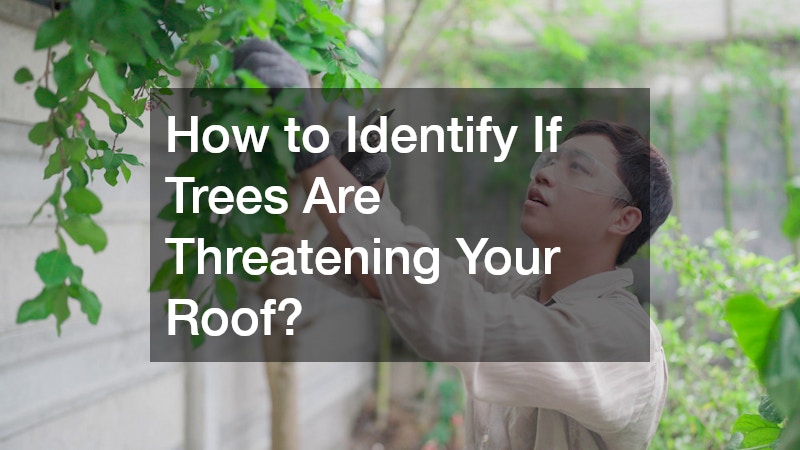
Visible indicators such as missing, cracked, or curling shingles, dented gutters, and accumulations of leaves, twigs, or small branches strongly suggest tree-related issues. Other warning signs include moss or algae growth caused by excessive shade, water stains in roof valleys, and minor leaks that may worsen over time. Recognizing these early indicators allows homeowners to take timely action before minor problems escalate into serious structural damage or costly repairs.
A local roofer can thoroughly inspect your property and provide a detailed, professional assessment of tree-related risks. Their expertise in regional tree species, seasonal weather patterns, and roofing materials allows for targeted recommendations tailored to your home. Consulting with a local roofer ensures that any interventions, whether pruning, removal, or preventive measures, balance safety, budget considerations, and long-term roof health.
Several factors increase the risks trees pose to your roof, including overhanging branches, weak or diseased trunks, shallow root systems, and proximity to power lines or other structures. A combination of environmental conditions, tree species, roof age, and material durability can exacerbate vulnerabilities. Early identification of these factors helps homeowners develop proactive tree maintenance strategies, minimize potential damage, and coordinate with roofing professionals to ensure comprehensive protection for their home.
What Types of Roof Strategies Work Best for Tree Environments?
Roof contractors often recommend durable materials in tree-heavy areas, such as metal, slate, or impact-resistant shingles. These materials are highly resistant to punctures, abrasions, and moisture penetration, providing added protection against falling branches, accumulated debris, and seasonal wear. Selecting the right roofing material is a proactive approach that not only reduces the risk of tree-related damage but also extends the overall lifespan of your roof.
Design adjustments, including steeper roof slopes, reinforced valleys, wider overhangs, and strategically placed gutters, help manage water flow and prevent debris accumulation in tree-dense areas. Roof contractors can advise on structural enhancements and additional protective measures, such as leaf guards or gutter covers, that mitigate the risks posed by overhanging branches. These adjustments ensure optimal roof performance, minimize maintenance, and protect both the roofing materials and the home’s foundation.
A residential roofing contractor can create a comprehensive plan for homes located near large or mature trees. This plan may include routine inspections, preventative maintenance, seasonal pruning coordination with tree services, and early intervention strategies for high-risk trees. Professional consultation ensures that tree management and roofing strategies work together seamlessly, maintaining the safety, durability, and aesthetic appeal of the home while minimizing unexpected repairs or damage.
How to Prepare for Tree Services?
Preparation is key before hiring a tree removal service. Clear access to the tree, move vehicles, outdoor furniture, or other equipment, and inform neighbors if branches may extend into public areas or pose a hazard. It is also helpful to take photos and document any existing roof damage to help the tree service team work safely, plan their approach, and avoid additional harm.
Effective coordination between tree removal teams and roof contractors prevents accidental damage and ensures a smooth workflow. Contractors can identify vulnerable areas, communicate potential risks, and guide tree experts on where extra caution is needed. This collaborative planning ensures a seamless process that protects both trees and roofing structures while minimizing disruptions to your property.
Before hiring a service, determine whether complete removal, selective pruning, or emergency limb removal is required based on the tree’s condition and location. A reputable tree removal service can evaluate risks, provide a detailed estimate, and recommend the safest and most effective approach. Understanding your specific needs ensures that the work is done efficiently, safely, and fully protects your roof from potential damage.
What Is the Role of a Local Tree Removal Company?
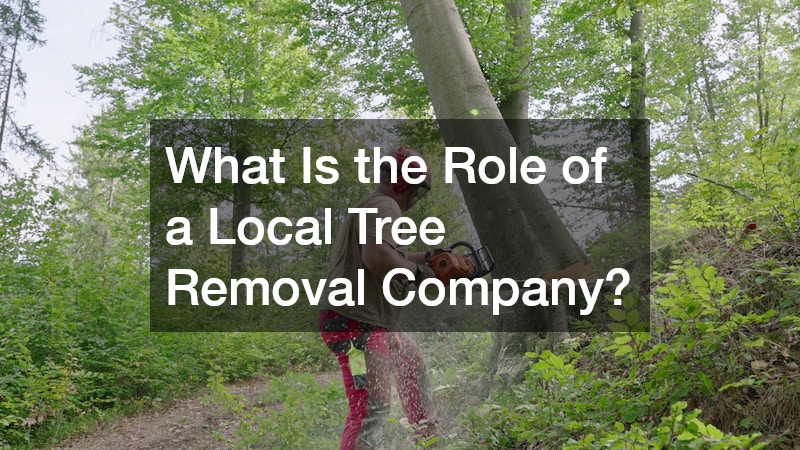
A local tree removal company brings knowledge of regional tree species, weather patterns, and municipal regulations. Local experts can provide timely service, quickly assess risks, and offer customized solutions tailored to your property. Their proximity also allows for more flexible scheduling and rapid response in emergencies.
Professional removal involves assessment, securing the area, controlled cutting, and debris disposal. Experts follow strict safety protocols to protect your home, roof, and surrounding property. Homeowners can expect a clear timeline, minimal disruption, and a detailed plan for managing branches and stumps.
After tree removal, it is important to inspect the roof for any unnoticed damage, clean gutters, and consider preventive measures such as trimming remaining trees or installing guards. Working with your residential roofing contractor ensures that post-removal maintenance addresses both immediate and future roof protection needs.
Addressing tree-related issues proactively protects your home from structural damage, reduces costly repairs, and ensures a safe living environment. Combining professional tree services with expert roofing guidance allows homeowners to maintain both trees and roofs effectively. By assessing risk, performing regular maintenance, and coordinating with qualified professionals, you can preserve the beauty of your property while safeguarding your roof against potential hazards. Proactive planning and collaboration between tree and roofing experts provide long-term protection, financial savings, and peace of mind.
