
Modernizing a home used to mean picking new finishes, maybe knocking down a wall, and calling it a day. Today, it’s a much more layered process. Homeowners want spaces that look clean and contemporary, but also perform better—more efficient systems, smarter layouts, fewer hidden issues, and a noticeable improvement in day-to-day comfort.
The challenge is that design and functionality don’t always move together unless you intentionally plan for both. A sleek kitchen loses its appeal if the plumbing underneath fails. A bright, open living room doesn’t feel so inviting if the temperature is inconsistent or the lighting is harsh.
The most successful home upgrades happen when every improvement serves two purposes: it enhances how the space looks and how it works. This guide walks through how to approach that balance, step by step, so your home doesn’t just feel new—it feels better to live in.
Start With a Whole-Home Modernization Plan
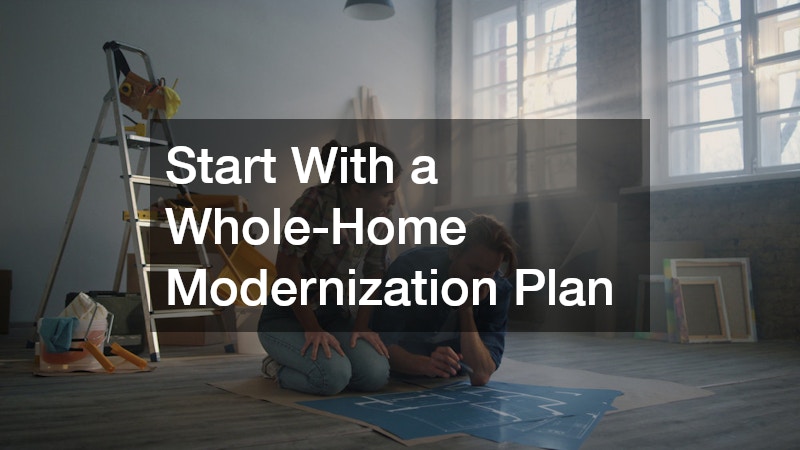
Before you pick out finishes or browse inspiration photos, take a step back and look at your home as a system. Every room connects to something behind the walls—airflow, wiring, water lines—and ignoring those connections often leads to mismatched upgrades.
A homeowner might install beautiful new flooring only to tear it up months later for a wiring issue. Or redesign a living space without realizing the HVAC layout can’t support the new configuration. These are the kinds of setbacks a whole-home plan helps you avoid.
Start by asking a few foundational questions:
- Where does the home feel uncomfortable or inefficient?
- Which areas look outdated versus actually function poorly?
- What upgrades would improve both daily use and long-term value?
At this stage, it’s worth consulting professionals who can evaluate the hidden systems. An experienced HVAC company can assess airflow, ductwork, and overall efficiency, helping you understand whether your current setup supports your goals. Likewise, an electrical contractor can identify outdated panels, insufficient outlets, or opportunities for modern lighting and smart integration.
Planning doesn’t mean doing everything at once. It means understanding the order of operations so each upgrade builds on the last instead of undoing it.
Upgrade Entry Points for Immediate Impact
If you want a transformation you can see and feel right away, start with the way your home connects to the outside. Entry points—especially doors—play a huge role in both aesthetics and energy performance.
Swapping out an old sliding door or heavy, outdated frame for a new patio door can completely change how a space feels. Suddenly, rooms that once felt closed off become brighter, more open, and more connected to the outdoors.
But this isn’t just about looks. Modern doors are designed with better insulation, tighter seals, and more durable materials. That translates to:
- Lower energy loss
- More consistent indoor temperatures
- Reduced outside noise
There’s also a lifestyle shift that comes with this upgrade. Imagine hosting friends and being able to open up your living space to a backyard or patio without interruption. Or simply enjoying more natural light throughout the day without turning on overhead fixtures.
To get the most out of this change, think beyond the door itself. Consider how flooring transitions, wall colors, and nearby furniture layouts can reinforce that open, modern feel.
Rethink the Kitchen as a Functional Hub
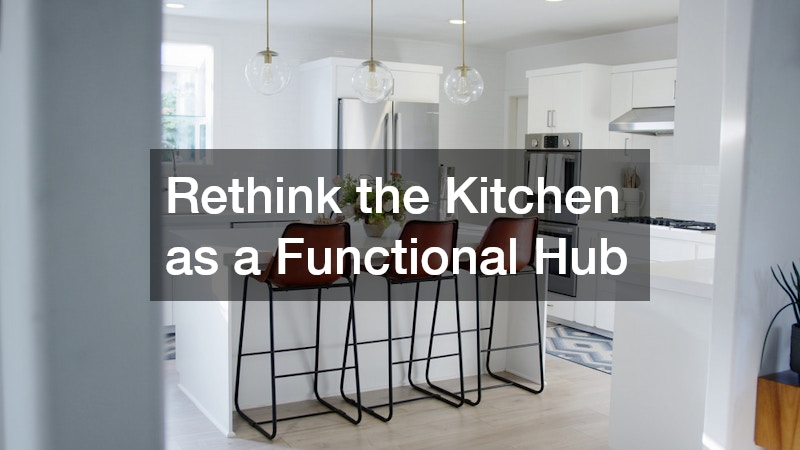
The kitchen has quietly become the most multifunctional space in the home. It’s no longer just for cooking—it’s where people gather, work, and spend a large portion of their time. That makes it one of the most important areas to modernize thoughtfully.
In some cases, a simple remodel isn’t enough. A kitchen addition may be the better route, especially if the current layout feels cramped or disconnected from the rest of the home.
Instead of focusing only on finishes, consider how the space supports daily life:
- Is there enough room for multiple people to move comfortably?
- Can surfaces serve more than one purpose?
- Does storage reduce clutter or contribute to it?
A well-designed kitchen often includes an island that doubles as prep space, dining area, and workspace. Storage becomes more intentional, with pull-out shelves and vertical solutions that make everything easier to access.
Lighting also plays a bigger role than many expect. Layering task lighting with softer ambient options allows the space to shift from functional during the day to inviting in the evening.
When done right, the kitchen doesn’t just look modern—it becomes easier to use, cleaner to maintain, and more enjoyable to spend time in.
Address Hidden Plumbing Issues Before They Surface
It’s easy to focus on what you can see, but some of the most important modernization work happens out of sight. Plumbing is a perfect example.
Older homes often have aging pipes, minor leaks, or inefficient layouts that go unnoticed until they become major problems. That’s why addressing plumbing repair early in your renovation process is critical.
Think of it this way: every visible upgrade you make depends on what’s happening behind the walls. New cabinets, flooring, or fixtures won’t last if there’s a slow leak undermining them.
Modern tools make this process far more precise than it used to be. Leak detection systems can identify issues before they cause visible damage, saving both time and money. Some even integrate with smart home technology, alerting you instantly if something goes wrong.
A practical approach might look like this:
- Inspect all major plumbing lines before starting visible upgrades
- Replace or repair outdated components
- Install monitoring systems for long-term peace of mind
This kind of proactive work doesn’t get the same attention as a new countertop or backsplash, but it’s what allows those upgrades to last.
Upgrade Water Systems for Comfort and Efficiency
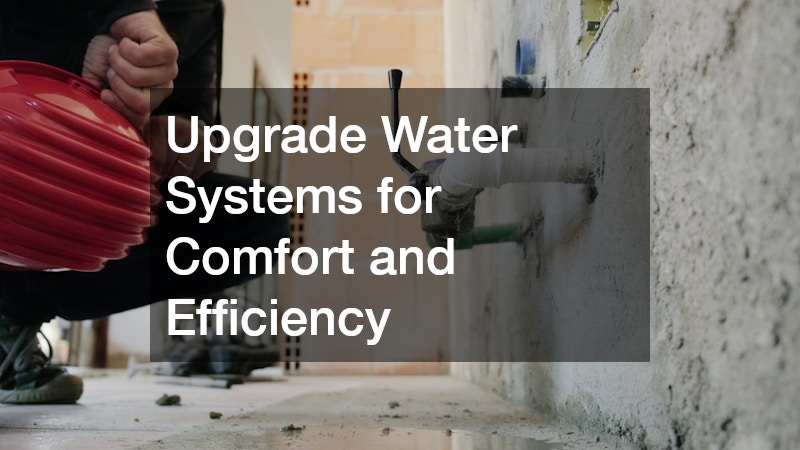
Few things impact daily comfort as much as your home’s hot water system. It’s one of those features you don’t think about—until it stops working properly.
If you’ve noticed inconsistent temperatures, slow recovery times, or rising energy bills, it may be time to evaluate your setup. In some cases, water heater repair is enough to restore performance. In others, a full water heater installation makes more sense, especially if the unit is nearing the end of its lifespan.
Modern systems offer several advantages:
- More efficient energy use
- Faster and more reliable hot water
- Compact designs that free up space
Tankless systems, in particular, have become popular for their ability to provide hot water on demand without the limitations of a traditional tank.
Timing matters here as well. If you’re already opening walls or updating plumbing in other areas, it’s often more efficient to handle water system upgrades at the same time.
This is one of those changes that may not be immediately visible, but you’ll notice the difference every single day.
Improve Climate Control for Consistent Comfort
A home can look incredible and still feel uncomfortable if the temperature isn’t right. Uneven heating, cold spots, or systems that struggle to keep up are all signs that it’s time for an upgrade.
A new furnace installation can dramatically improve how your home feels, especially during colder months. Modern systems are designed to distribute heat more evenly and operate more efficiently, reducing both energy costs and wear over time.
But the benefits go beyond temperature alone. Updated systems often run quieter, respond faster, and integrate better with smart thermostats that allow for more precise control.
If you’re already making structural or layout changes, it’s worth considering how those changes affect airflow. Open spaces, new walls, or added square footage can all impact how heat moves through your home.
Pairing a furnace upgrade with insulation improvements can amplify the results, creating a space that not only looks modern but feels consistently comfortable.
Protect Your Home From Water Damage Before It Spreads
Water damage has a way of hiding until it becomes impossible to ignore. By the time stains appear or materials begin to warp, the issue has often been developing for a while.
That’s why water damage restoration isn’t just about fixing a problem—it’s about protecting everything you’ve invested in.
Modernizing your home without addressing past or potential water damage is like painting over a crack in the wall. It may look better temporarily, but the underlying issue remains.
If you suspect any past damage, it’s worth taking the time to investigate thoroughly. Professionals can assess structural integrity, identify mold risks, and ensure the space is safe to rebuild.
Once repairs are complete, prevention becomes the focus. Improved drainage, better sealing, and early detection tools all help reduce the risk of future problems.
This step may not be the most exciting part of modernization, but it’s one of the most important for long-term results.
Use Lighting and Electrical Upgrades to Transform Spaces
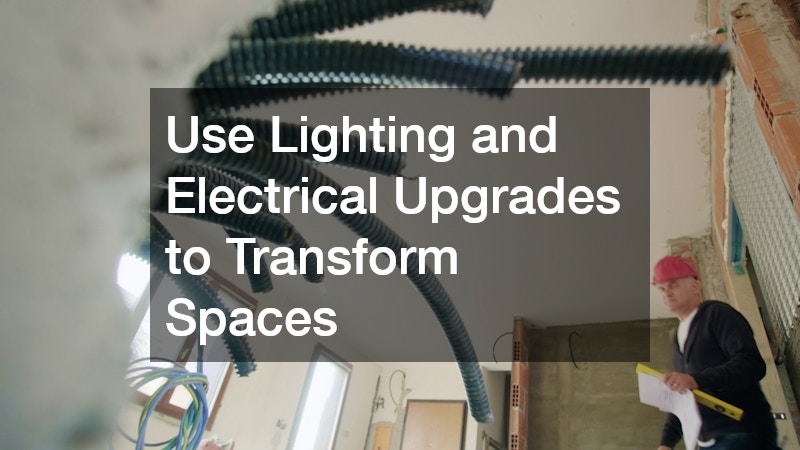
Lighting has a unique ability to change how a room feels without altering its structure. It can make spaces appear larger, warmer, or more inviting—all with relatively simple adjustments.
But achieving that effect often requires more than just swapping fixtures. It may involve updating wiring, adding circuits, or rethinking how power is distributed throughout the home.
Working with an electrical contractor ensures that these changes are done safely and effectively, especially if you’re adding new features like recessed lighting or smart systems.
A thoughtful lighting plan might include:
- Ambient lighting for overall illumination
- Task lighting for specific activities
- Accent lighting to highlight architectural details
Smart controls add another layer of functionality, allowing you to adjust brightness, color temperature, and timing with ease.
The result is a home that not only looks more polished but adapts to different needs throughout the day.
Create a Seamless Indoor-Outdoor Living Experience
Modern homes increasingly blur the line between indoor and outdoor spaces. This shift isn’t just about aesthetics—it’s about expanding how you use your home.
Instead of treating the backyard as a separate area, think of it as an extension of your living space. Consistent materials, open sightlines, and thoughtful layout choices can make the transition feel natural.
For example, continuing the same flooring style or color palette from inside to outside creates visual continuity. Adding comfortable seating, lighting, and shade structures makes the space usable at different times of day.
This approach doesn’t require a massive overhaul. Even small changes, like rearranging furniture to face outward or improving access points, can make a noticeable difference.
The goal is to create a space that feels cohesive, where moving between indoors and outdoors is effortless.
Integrate Smart Technology With Structural Improvements

Smart home technology works best when it’s planned alongside structural upgrades, not added as an afterthought.
Imagine installing a smart thermostat but discovering your HVAC system can’t fully support its capabilities. Or adding automated lighting without the wiring needed for seamless control.
When you integrate technology early, everything works together more smoothly. Sensors, controls, and systems can be placed exactly where they’re needed, rather than retrofitted later.
Some practical additions include:
- Leak sensors that alert you to potential issues
- Automated lighting schedules for convenience and efficiency
- Smart blinds that adjust based on sunlight
These features don’t just add convenience—they enhance the overall functionality of your home in subtle but meaningful ways.
Plan Your Budget and Timeline Strategically
One of the biggest mistakes homeowners make is underestimating how interconnected these upgrades are. Budgeting isn’t just about costs—it’s about sequencing.
A smart approach often follows this order:
- Address core systems (plumbing, HVAC, electrical)
- Resolve any structural or damage-related issues
- Move on to visible design upgrades
This ensures that your investment builds on a solid foundation.
It’s also wise to leave room for unexpected discoveries. Opening up walls or updating systems can reveal issues that weren’t visible before.
Rather than seeing this as a setback, think of it as part of the process. Each adjustment brings your home closer to a fully modern, well-functioning space.
Bringing It All Together

Modernizing your home isn’t about chasing trends or making isolated upgrades. It’s about creating a space that works better, feels better, and supports the way you actually live.
When you approach the process with both style and functionality in mind, every improvement becomes more meaningful. A brighter room isn’t just more attractive—it’s more comfortable. A new system isn’t just efficient—it’s reliable.
The key is to think holistically. Plan ahead, address what’s hidden, and choose upgrades that serve more than one purpose. When everything works together, the result is a home that doesn’t just look modern—it truly lives that way.
