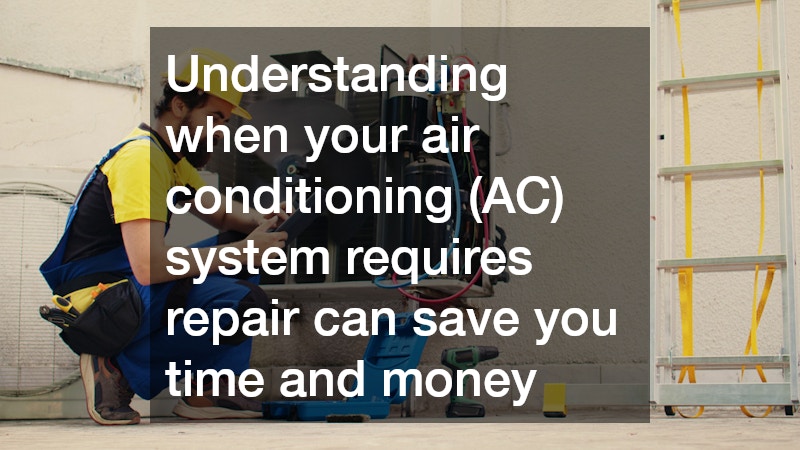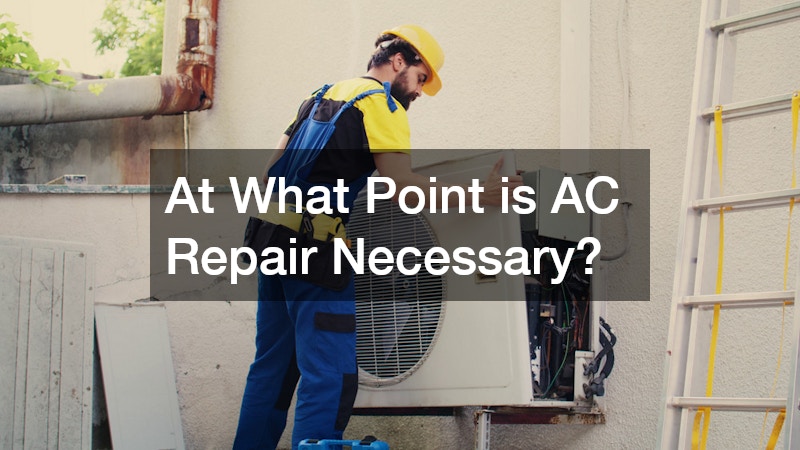
Understanding when your air conditioning (AC) system requires repair can save you time and money. One of the earliest signs of trouble is when your AC unit fails to cool the space effectively. If you notice that your home is no longer reaching the desired temperature, it might be time to look into AC repair. Insufficient cooling can also indicate that the AC unit is working harder than it should, leading to increased energy bills without the comfort it promises.
Moreover, unusual noises coming from the unit can be a telltale sign that something is wrong internally and needs attention.
In addition to a lack of cooling, other signs that necessitate AC repair include a spike in energy consumption and monthly bills. Elevated utility costs often signify that your AC is inefficient, working incessantly to maintain temperatures. Obstructions in airflow or leaking ducts are common problems contributing to inefficiency, which only professional repair can resolve. Beyond costs, consider the potential environmental impact if a repair isn’t addressed promptly. Hence, do not ignore these signals as they might indicate a problem growing worse with time.
Another crucial indicator that warrants AC repair is the presence of moisture or leaks around the unit. AC units can accumulate moisture due to blocked or broken drain lines. Such leaks not only affect the cooling performance but can also cause water damage to your property, leading to costly repairs. Mold growth due to excess moisture is also a health hazard, potentially exacerbating allergies or respiratory issues. Addressing these leaks promptly by calling an AC repair technician ensures your system runs smoothly and safely.
AC Repair vs Replacement: Making the Right Decision
Determining whether to repair or replace your AC unit is a significant decision every homeowner might face. One of the determining factors is the age of your current system. Generally, if your AC is over 10-15 years old and frequently requires repairs, replacement might be a more cost-effective solution over time. An older AC unit naturally becomes less efficient, and modern units offer enhanced energy efficiency, significantly reducing your energy bills. Additionally, newer models may come with improved technology features that increase home comfort and convenience.
However, if your unit is relatively new and has encountered an isolated issue, investing in repair may be more prudent. A single, manageable problem that a technician can swiftly handle makes repair the logical step. It’s vital to consult with a trusted HVAC professional who can assess whether your unit’s problem is isolated or symptomatic of a systemic failure. They’ll provide informed recommendations based on repair history, current function, and anticipated lifespan. Their expertise will ensure you make an economically sound choice that best meets your needs.
Estimating repair costs in the context of the unit’s value is another factor influencing repair or replacement decisions. As a general rule, if the repair cost exceeds 50% of the cost of purchasing a new unit, replacement is often advisable. This guideline prevents investing heavily in an old system that may soon fail again. Consider also that repairs might not address the underlying inefficiencies of an older unit, leading to further energy expenses. Balancing immediate costs against long-term savings is key to making the right decision.
The Benefits of Timely AC Repair
Investing in timely AC repair has numerous advantages that improve your cooling system’s performance and longevity. Prompt attention to repairs ensures that minor issues do not escalate into major problems. Keeping your unit in optimal condition through regular maintenance and quick fixes ensures it operates efficiently, which translates to lower energy costs. A smoothly running AC will also provide consistent cooling across your house, enhancing the overall comfort level of your home environment. Such consistency is particularly beneficial during peak summer months when cooling needs are highest.
Addressing AC repair needs quickly also prolongs the life expectancy of your cooling system. Each part of an AC unit works in tandem, and when one part fails, others must compensate. This additional workload can cause further wear and tear, hastening the need for more extensive repairs or replacement. By promptly repairing parts, you can maintain the balance within the system, thereby extending its operational life significantly. Regular servicing alongside timely repairs maintains this balance and reduces unexpected breakdowns.
Moreover, timely repairs contribute to better indoor air quality, an often overlooked aspect of home cooling. A malfunctioning AC can lead to poor air circulation and increased humidity, both of which affect indoor air quality. Timely repair can prevent issues such as mold growth and dust accumulation, ensuring that the air circulating in your home is clean and healthy. Better air quality translates to improved health for the occupants, particularly those with allergies or respiratory issues. In essence, quick repair interventions protect not only your cooling system but also the well-being of your family.