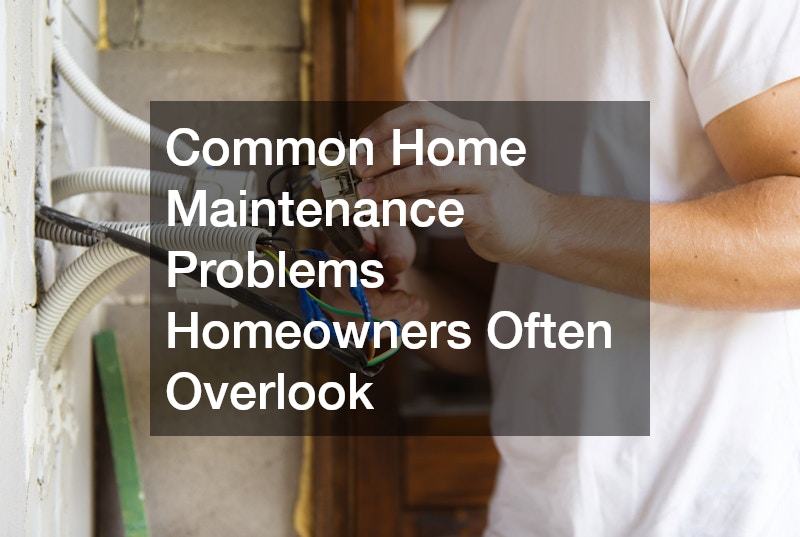
Most homeowners do not ignore maintenance on purpose. Life gets busy, budgets get stretched, and many household issues seem harmless at first glance. A tiny drip under the sink, a missing shingle after a storm, or water pooling near the patio may not feel urgent in the moment. Unfortunately, homes rarely reward delay. Small issues tend to grow quietly behind walls, beneath floors, and above ceilings until the repair becomes far more expensive and disruptive.
What makes home maintenance especially tricky is that many of the most damaging problems develop slowly. Water intrusion may begin months before stains appear. A failing drainage system might weaken a foundation long before cracks become visible. Even something as simple as poor lighting can subtly affect comfort, safety, and energy efficiency over time.
The good news is that homeowners do not need to become contractors or inspectors to protect their property. Consistent attention, seasonal checkups, and a willingness to address minor concerns early can prevent many major repairs. Understanding which problems commonly go unnoticed is often the first step toward maintaining a safer, more efficient, and more comfortable home.
Recognizing the Early Signs of Hidden Moisture Problems
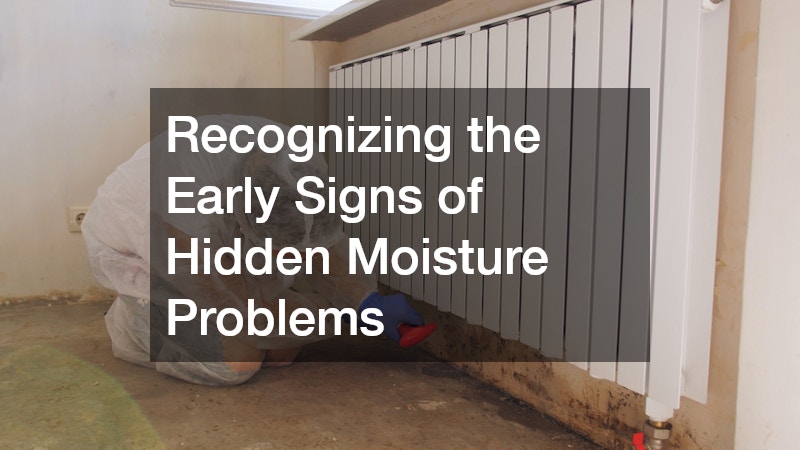
Water damage is one of the most common and expensive issues homeowners face, largely because it often develops out of sight. By the time a ceiling stain appears or flooring begins to warp, moisture may have already spread through insulation, framing, or drywall.
One homeowner might notice a faint musty smell in a guest bathroom and assume it is caused by humidity. Another may hear occasional dripping inside a wall during the night, but dismisses it because no visible leak appears. These subtle warnings are easy to ignore, especially when everything still seems functional.
Hidden leaks commonly originate around:
- Aging pipe connections
- Washing machine supply lines
- Water heaters
- Shower pans and tubs
- Exterior hose bibs
- Slab foundations
Even small leaks can create ideal conditions for mold growth. Moisture trapped inside walls often weakens structural materials while also affecting indoor air quality.
This is where a local leak detection service becomes especially valuable. Modern leak detection methods can identify moisture behind walls or beneath concrete without tearing apart large sections of the home. Infrared technology, acoustic sensors, and pressure testing allow professionals to pinpoint issues before widespread damage develops.
Homeowners can also reduce risks through simple preventative habits. Monitoring monthly water bills is surprisingly effective. A sudden increase without a clear explanation may indicate hidden leakage somewhere in the system. Checking beneath sinks every few weeks and inspecting appliance hoses for corrosion or bulging can also help catch problems early.
Ignoring minor plumbing issues often leads to larger plumbing repair expenses later. A slow drip may not seem alarming, but continuous moisture gradually damages cabinetry, flooring, and nearby materials. In some homes, a neglected leak behind the wall eventually requires drywall removal, mold remediation, and flooring replacement all at once.
The key difference between a manageable repair and a major restoration project is often timing.
Protecting the Home From Gradual Roof Deterioration
Roof problems rarely begin dramatically. Most start with small vulnerabilities that slowly worsen through repeated exposure to sun, wind, and rain.
A homeowner may lose a few shingles during a storm and assume the rest of the roof is fine. Months later, moisture begins entering through exposed areas, soaking the underlayment and eventually staining the attic ceiling. Because the damage develops gradually, many people do not realize there is a problem until interior repairs become necessary.
One overlooked issue is flashing deterioration around vents, chimneys, and skylights. These areas expand and contract with temperature changes throughout the year. Over time, seals weaken and create openings where water can enter.
Scheduling a local roof inspection periodically helps identify these issues before they become emergencies. Inspections are especially important after major storms or when a roof approaches the later stages of its expected lifespan. Professionals often notice subtle warning signs homeowners miss, such as granule loss, soft decking, or ventilation issues in the attic.
Another problem many homeowners overlook is the relationship between attic airflow and roof longevity. Poor ventilation traps heat and moisture beneath the roof surface, accelerating material deterioration. During summer, excessive attic temperatures can even shorten shingle lifespan significantly.
Preventative maintenance routines do not need to be complicated. A few practical habits make a substantial difference:
- Remove leaves and branches regularly
- Inspect attic spaces after heavy rain
- Look for curling or cracked shingles from the ground
- Trim overhanging tree limbs
- Check ceilings for new discoloration
Delaying roofing maintenance often creates a chain reaction throughout the home. Water intrusion affects insulation first, then framing, drywall, and sometimes electrical systems. What initially required a minor patch may eventually demand extensive reconstruction. Reaching out to an electrician is key at this point.
Homeowners who stay proactive with roofing repair usually spend far less over time than those who wait for obvious failure. Consistent upkeep also preserves curb appeal and helps maintain property value, especially in climates with frequent storms or seasonal temperature swings.
Preventing Drainage Issues Around the Property
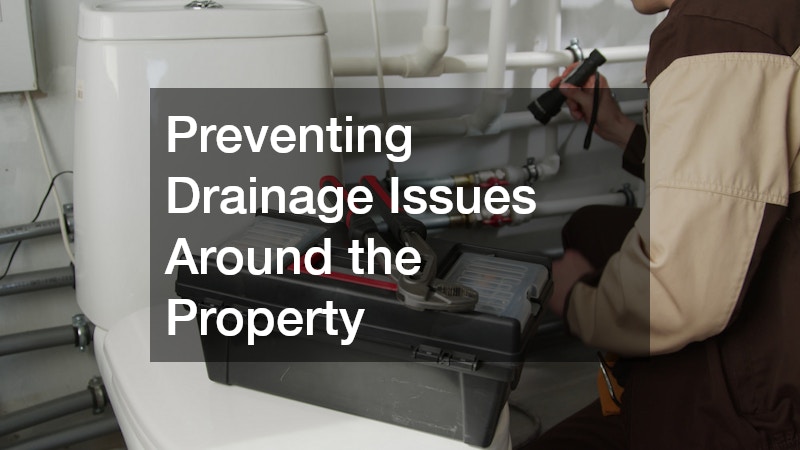
Many exterior maintenance problems begin with something deceptively simple: water not flowing where it should.
After a heavy rainfall, some homeowners notice puddles near walkways or overflowing gutters but assume the water will eventually drain away harmlessly. Repeated pooling, however, gradually weakens soil, damages landscaping, and increases pressure against the foundation.
Drainage problems tend to reveal themselves slowly. Concrete may begin cracking near the driveway. Mulch may repeatedly wash away after storms. Basement walls may feel damp during humid months. These small warning signs often point to larger moisture management issues outside the home.
One commonly overlooked area is the gutter system. Gutters do far more than keep rainwater off the roof. They help direct water safely away from the structure itself. When gutters sag, clog, or separate from the fascia, runoff often spills directly near the foundation.
At first, the issue may appear cosmetic. Over time, though, neglected drainage can contribute to:
- Soil erosion
- Foundation settling
- Wood rot
- Mold growth
- Damaged siding
- Landscape deterioration
In many cases, gutter repair becomes necessary long before complete replacement is required. Small fixes such as resecuring brackets, sealing leaks, or correcting pitch problems can dramatically improve drainage performance.
Outdoor hardscape also influences how water moves across the property. Improper grading around patios or walkways may direct runoff toward the house instead of away from it. Uneven surfaces create standing water that slowly damages both pavers and the surrounding soil.
Thoughtful paver installation helps solve many of these concerns. Properly designed walkways and patios should encourage drainage while maintaining stable, level surfaces. Permeable materials, correct slope angles, and adequate base preparation all help prevent future water accumulation.
Some homeowners only recognize drainage problems after experiencing basement leaks or landscape erosion. By then, repairs are typically more extensive and expensive. Paying attention to how water behaves during storms offers valuable insight into potential vulnerabilities before major damage occurs.
Extending the Life of Household Water Systems
Water heaters often operate quietly in the background for years, which makes them easy to forget entirely. Unlike appliances people interact with daily, water heaters usually receive attention only after something goes wrong.
Unfortunately, failures rarely happen without warning. Most systems provide subtle clues beforehand.
One common sign is inconsistent water temperature. If hot water suddenly runs out faster than usual or fluctuates unpredictably, sediment buildup inside the tank may be reducing efficiency. Rumbling or popping sounds also suggest hardened mineral deposits accumulating near heating elements.
Rust-colored water is another warning sign homeowners should never ignore. Corrosion inside the tank or connecting pipes may indicate deterioration that could eventually lead to leakage or tank failure.
Regular maintenance greatly reduces the likelihood of sudden breakdowns. Yet many homeowners never flush their water heater or inspect pressure relief valves. Over time, sediment accumulation forces the system to work harder, increasing both energy usage and wear.
Preventative maintenance is relatively straightforward:
- Flush the tank annually
- Inspect for corrosion around fittings
- Test the pressure relief valve periodically
- Check for moisture near the base
- Monitor water temperature consistency
Neglecting these simple tasks often increases the need for water heater repair later. In many homes, premature failure occurs not because the appliance was defective, but because maintenance was postponed for years.
Older water heaters can also affect overall household efficiency. Sediment buildup acts as insulation between heating components and the water itself, meaning the system consumes more energy to deliver the same performance. Homeowners sometimes notice rising utility bills long before realizing the water heater is the underlying cause.
Another issue involves small leaks near valves or fittings. Because these leaks are often slow, they may remain unnoticed until nearby flooring becomes damaged. Even minimal moisture exposure can eventually warp wood, stain surfaces, or encourage mold growth.
Scheduling periodic inspections helps homeowners identify wear before emergencies occur. In many cases, minor servicing extends the life of the system considerably while reducing the risk of costly water damage throughout the home.
Improving Comfort Through Better Interior Conditions

Some maintenance issues do not threaten structural damage immediately, but they still affect daily comfort, functionality, and energy efficiency in meaningful ways. Lighting is one example that homeowners frequently underestimate.
Poor lighting changes how a home feels. Dark hallways, shadowed kitchens, and harsh overhead fixtures can make otherwise attractive spaces feel uncomfortable or outdated. Insufficient lighting also increases eye strain and may even contribute to safety concerns in stairways or work areas.
Many homeowners gradually adapt to poor lighting conditions without realizing how much improvement is possible. A dim kitchen becomes “normal.” A cluttered living room corner stays unused because it never feels inviting. Over time, these spaces become less functional simply because the lighting was never updated thoughtfully.
Visiting an interior lighting store often helps homeowners better understand how layered lighting transforms a room. Instead of relying on a single overhead fixture, designers frequently combine ambient, task, and accent lighting to create more balanced spaces.
For example:
- Under-cabinet lighting improves kitchen visibility
- Wall sconces soften harsh living room shadows
- Pendant lighting adds focus to dining areas
- Adjustable lamps improve reading comfort
Lighting also plays an important role in energy efficiency. Older incandescent fixtures consume significantly more electricity than modern LED systems. Upgrading outdated fixtures can reduce monthly utility costs while improving brightness and longevity.
One homeowner may replace a single ceiling fixture and immediately notice the room feels larger and more welcoming. Another might add layered lighting to a home office and realize that reduced eye strain improves productivity during long workdays.
Small upgrades often create surprisingly noticeable improvements in daily living. Smart dimmers, warmer light temperatures, and better fixture placement help homes feel more comfortable without requiring major renovations.
Maintenance is not always about preventing disaster. Sometimes it is about improving how a home functions and feels over time.
Building Better Long-Term Maintenance Habits
Many homeowners approach maintenance reactively. Something breaks, then it gets fixed. While understandable, this mindset often increases costs and stress because repairs happen under urgent conditions.
Preventive maintenance works differently. Instead of waiting for obvious failure, homeowners regularly inspect systems, monitor changes, and address small issues early.
This approach does not require expensive equipment or professional expertise. It mostly depends on consistency.
Seasonal routines make maintenance easier to manage because tasks become predictable rather than overwhelming. In spring, homeowners might inspect drainage and roofing after winter weather. Summer may focus on exterior surfaces and landscaping. Fall often becomes the ideal time for gutter cleaning and water heater repair.
Creating a simple maintenance calendar helps distribute responsibilities throughout the year instead of allowing problems to accumulate unnoticed.
A practical maintenance routine may include:
Monthly
- Check under sinks for leaks
- Inspect ceilings for stains
- Monitor utility bills for unusual spikes
- Test smoke detectors
Seasonally
- Clean gutters and downspouts
- Inspect roofing visually
- Flush water heaters
- Check exterior drainage patterns
Annually
- Schedule professional inspections when needed
- Review attic ventilation
- Seal exterior gaps and cracks
- Assess aging appliances and fixtures
Another helpful habit is documenting repairs and observations. Taking photos of developing cracks, moisture stains, or exterior wear makes it easier to notice gradual changes over time.
Homeownership becomes less stressful when maintenance shifts from crisis management to routine care. Instead of reacting to emergencies, homeowners gain a clearer understanding of how their property changes season by season.
That awareness often prevents the most expensive problems from developing in the first place.
Maintaining a Healthier and More Resilient Home

Homes naturally age. Materials expand, contract, settle, and wear down over time. That process is unavoidable. What homeowners can control is how quickly small issues are identified and addressed.
The most expensive repairs rarely appear overnight. More often, they begin as quiet warning signs that seem easy to dismiss: a slight roof stain, a faint musty smell, or water collecting near the edge of the patio after rain. Paying attention to those details makes an enormous difference in protecting the home long term.
Consistent maintenance also supports more than structural integrity. It improves comfort, energy efficiency, indoor air quality, and peace of mind. A well-maintained home simply functions better day after day.
Homeowners do not need to tackle everything at once. Even small preventative habits build momentum over time. Inspecting vulnerable areas seasonally, scheduling professional evaluations when necessary, and responding early to developing concerns all help reduce long-term repair costs.
In many cases, the difference between a manageable repair and a major renovation is simply whether the problem was noticed early enough.
