A comfortable, reliable home does not happen by chance. It is the result of thoughtful planning, routine maintenance, and timely upgrades that support daily living while protecting long-term property value. From managing temperature and water supply to maintaining essential mechanical systems, homeowners who take a proactive approach experience fewer disruptions and lower repair costs over time. Investing in preventative care and strategic improvements allows households to avoid emergencies that can be both costly and stressful.
Modern home improvement is no longer about addressing issues only when something breaks. Instead, it focuses on evaluating performance, anticipating future needs, and coordinating services to ensure every system functions efficiently. By understanding which improvements matter most and how professional services work together, homeowners can create a living environment that feels comfortable, dependable, and prepared for the years ahead.
In addition, a proactive mindset extends beyond individual repairs to encompass overall system efficiency, energy conservation, and long-term durability. Well-maintained homes not only provide immediate comfort but also preserve resale value and reduce the environmental impact of constant repairs or premature replacements. By planning upgrades thoughtfully and investing in quality services, homeowners ensure that their property continues to meet both lifestyle needs and financial goals. Ultimately, a reliable home adapts seamlessly to evolving family requirements, climate considerations, and technological advancements, allowing occupants to enjoy peace of mind and lasting comfort.
Evaluating Your Home’s Core Systems Before Upgrades
Before committing to major improvements, homeowners should evaluate the condition of their home’s most important systems. This assessment provides clarity on which upgrades are necessary now and which can be planned for later.
A comprehensive evaluation should include:
-
Visual inspections of visible components such as pipes, vents, and access panels
-
Reviewing past maintenance records and warranties
-
Identifying performance issues such as inconsistent temperatures or pressure changes
-
Considering the age of major systems compared to their expected lifespan
Taking time to assess these factors prevents unnecessary spending and ensures that upgrades align with actual needs rather than assumptions.
Benefits of early evaluation include:
-
Reduced risk of emergency repairs
-
Better budgeting for future projects
-
Improved coordination between different improvement services
-
Increased confidence in decision-making
When homeowners understand their home’s current condition, they can prioritize improvements that enhance comfort, efficiency, and safety in the most effective order.
Knowing When to Upgrade Hot Water Systems
Hot water is a daily necessity, and declining performance is often one of the earliest signs that an upgrade may be required. Aging systems can struggle to meet demand, consume excess energy, or develop leaks that cause hidden damage.
Common indicators that a water heater replacement may be necessary include:
-
Inconsistent water temperature
-
Reduced hot water supply
-
Rust-colored water
-
Unusual noises from the tank
-
Units approaching or exceeding their expected lifespan
Working with a qualified plumbing company ensures that the system is properly evaluated and installed according to safety standards. Professionals can also help homeowners choose between traditional tank systems and tankless options based on usage needs.
Key considerations during replacement:
-
Household size and water usage habits
-
Energy efficiency ratings
-
Available installation space
-
Long-term operating costs
Upgrading hot water systems improves daily comfort while reducing energy waste and the likelihood of sudden failure.

Improving Indoor Comfort With Modern Cooling Solutions
Reliable cooling plays a major role in maintaining a comfortable indoor environment, especially during warmer months. When older systems become inefficient or unreliable, a new air conditioning installation can dramatically improve comfort and energy performance.
Signs that replacement may be more cost-effective than repair include:
-
Rising energy bills without increased usage
-
Frequent breakdowns
-
Uneven cooling throughout the home
-
Systems that rely on outdated refrigerants
Professional air conditioning service ensures that new systems are correctly sized, installed, and tested for optimal performance.
Important factors to evaluate:
-
System capacity relative to square footage
-
Energy efficiency ratings
-
Compatibility with existing ductwork
-
Manufacturer warranties
A well-installed cooling system delivers consistent temperatures, quieter operation, and lower long-term maintenance costs.
Maintaining Reliable Climate Control Year-Round
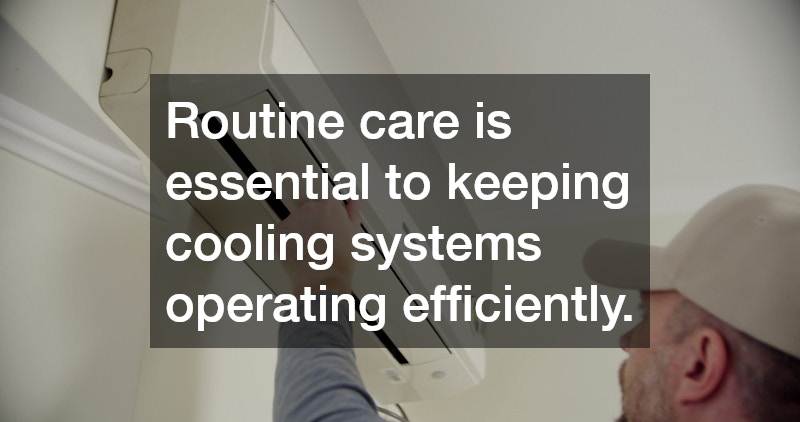
Routine care is essential to keeping cooling systems operating efficiently. Regular ac services help identify minor issues before they become major failures, particularly during seasonal transitions.
Recommended maintenance tasks include:
-
Replacing air filters regularly
-
Inspecting coils and electrical components
-
Checking refrigerant levels
-
Verifying thermostat accuracy
Scheduling professional air conditioning service annually ensures systems remain efficient and dependable during peak usage periods.
Benefits of consistent maintenance:
-
Improved indoor air quality
-
Lower energy consumption
-
Extended equipment lifespan
-
Reduced likelihood of unexpected breakdowns
By maintaining climate control systems proactively, homeowners enjoy stable comfort and predictable operating costs throughout the year.
Enhancing Access, Safety, and Security at Home
Garage doors serve as both a functional access point and a critical safety component. Over time, wear on springs, tracks, and openers can compromise performance and security.
Working with a professional garage door company ensures that inspections, repairs, and replacements meet safety standards while improving reliability.
Common services include:
-
Spring and cable replacement
-
Track alignment and lubrication
-
Opener repair or upgrades
-
Safety sensor testing
Routine maintenance helps prevent sudden failures that could damage vehicles or pose injury risks.
Additional benefits of professional service:
-
Improved home security
-
Quieter operation
-
Increased curb appeal
-
Longer system lifespan
A well-maintained garage door supports both convenience and peace of mind.
Addressing Plumbing Issues Before They Escalate
Plumbing systems operate largely out of sight, making early detection of issues especially important. Professional plumbing services help prevent leaks, pressure problems, and water damage that can compromise structural integrity.
Common warning signs include:
-
Slow drains or recurring clogs
-
Fluctuating water pressure
-
Unexplained increases in water bills
-
Damp spots or discoloration on walls
Partnering with a reliable plumbing company allows homeowners to address problems promptly and coordinate plumbing work with other improvement projects.
Preventive plumbing strategies:
-
Scheduling routine inspections
-
Replacing aging fixtures proactively
-
Insulating exposed pipes
-
Addressing minor leaks immediately
Timely plumbing maintenance protects both the home and its occupants from costly damage and disruption.
Managing Property Recovery After Unexpected Damage
Unexpected events such as water intrusion or structural damage require immediate professional attention. A qualified restoration company provides the expertise needed to stabilize the property and prevent further deterioration.
Restoration services often include:
-
Damage assessment and documentation
-
Structural drying and cleanup
-
Mold prevention measures
-
Coordination with repair professionals
Prompt restoration minimizes long-term damage and helps return the home to a safe, livable condition more quickly.
Key advantages of professional restoration:
-
Faster recovery timelines
-
Reduced secondary damage
-
Improved documentation for insurance purposes
-
Seamless transition to repair or renovation work
Effective restoration plays a crucial role in preserving property value after unforeseen events.
Adding Specialized Comfort Features to Your Property
Specialty features such as hot tubs enhance relaxation and lifestyle comfort, but they also require specialized care. Professional hot tub repair ensures that mechanical, electrical, and water systems operate safely and efficiently.
Common maintenance and repair needs include:
-
Heater and pump servicing
-
Leak detection
-
Electrical component inspection
-
Water quality management
Routine care prevents small issues from escalating into costly replacements and ensures safe operation.
Best practices for specialty system upkeep:
-
Schedule periodic inspections
-
Address performance changes immediately
-
Follow manufacturer maintenance guidelines
-
Keep service records for future reference
Proper maintenance allows homeowners to enjoy added comfort features without unexpected disruptions.
Supporting Sustainable Projects and Responsible Disposal
Home improvement projects often generate waste that must be managed responsibly. Using appropriate recycling equipment helps divert materials from landfills while supporting environmentally conscious upgrades. Incorporating recycling into each phase of a project—from demolition to installation—ensures that materials are handled efficiently and sustainably.
Common recyclable materials include:
-
Metals from old fixtures: Items such as copper pipes, aluminum siding, and steel appliances can be collected and recycled, reducing the need for raw material extraction.
-
Cardboard packaging: Boxes from new appliances, fixtures, or flooring materials can be flattened and sent to recycling centers.
-
Certain plastics and construction debris: Plastics labeled with recyclable codes, as well as leftover drywall or wood, can often be repurposed or processed for reuse.
Sustainable disposal practices offer multiple benefits beyond environmental responsibility. Reducing the volume of waste sent to landfills decreases greenhouse gas emissions and conserves natural resources. Maintaining clean and organized job sites improves worker safety and efficiency, as debris is less likely to cause accidents or interfere with workflow. Additionally, following local recycling and disposal regulations avoids fines or project delays, ensuring that renovations proceed smoothly.
Helpful tips for integrating recycling into home improvement projects include:
-
Plan ahead: Identify materials that can be recycled before beginning demolition or upgrades.
-
Use designated bins and containers: Separate metals, plastics, and other recyclables to simplify collection and disposal.
-
Partner with professional services: Some restoration companies and contractors provide recycling options or coordinate with local facilities to handle waste responsibly.
-
Document and track recycling efforts: Keeping records of diverted materials can demonstrate compliance and commitment to sustainable practices.
By incorporating recycling into home improvement planning, homeowners not only reduce their environmental footprint but also reinforce long-term community awareness and responsible property management. This approach aligns sustainability with efficiency, cost-effectiveness, and modern renovation standards.
Coordinating Multiple Services for Better Results
Coordinating multiple home improvement services creates efficiencies that save time, reduce costs, and improve outcomes. When projects are planned together, contractors can work collaboratively to minimize disruptions. By integrating various services—such as air conditioning service, plumbing services, and garage door company work—homeowners ensure that each task aligns with the overall maintenance and upgrade plan, preventing overlaps and scheduling conflicts.
Benefits of coordinated planning extend beyond efficiency. When projects are synchronized, service providers can identify potential conflicts or dependencies early, such as ensuring that water heater replacement does not interfere with plumbing upgrades or that HVAC repairs are completed before installing ductwork. This proactive coordination reduces the likelihood of costly rework and ensures that each system functions optimally once projects are completed.
Helpful coordination strategies include:
-
Create a comprehensive project timeline: Map out each improvement, from initial inspections to final inspections, and highlight dependencies between services.
-
Communicate clearly with service providers: Regular updates and clarifications prevent misunderstandings and ensure everyone works toward the same schedule.
-
Maintain organized records and warranties: Documenting all work, parts used, and service guarantees allows for quick reference in the future, particularly if follow-up maintenance or repairs are needed.
-
Prioritize safety and access considerations: Coordinated projects can avoid situations where one contractor blocks access for another, ensuring safe and efficient work environments.
-
Group similar services when possible: Combining related tasks, such as AC services with air conditioning installation or plumbing company work with hot water system upgrades, reduces downtime and improves the overall workflow.
By approaching home improvement as an integrated effort rather than isolated tasks, homeowners maximize the value of every service performed. Each project complements the others, creating a cohesive, efficient, and reliable home system that enhances comfort, performance, and long-term property value.
A well-maintained home offers more than comfort—it provides reliability, safety, and long-term value. By taking a proactive approach to evaluations, maintenance, and upgrades, homeowners can reduce stress, avoid costly emergencies, and enjoy consistent performance from every major system. Thoughtful planning and professional support make it possible to maintain a home that adapts to changing needs while remaining efficient and dependable. When improvements are approached strategically, the result is a living space that delivers comfort and peace of mind for years to come.
Beyond immediate benefits, a proactive maintenance plan also ensures that the home’s structural and mechanical systems remain in optimal condition over time. Regular inspections of plumbing, heating, cooling, and electrical systems can reveal minor issues before they escalate, reducing the likelihood of sudden breakdowns. Scheduling timely upgrades, such as air conditioning installation or water heater replacement, ensures that the home continues to meet both current and future household needs. Similarly, maintaining exterior elements, including garage doors or roofing components, prevents damage from weather and wear while protecting overall property value.
Coordinating multiple services through trusted professionals further enhances efficiency and quality. Whether it involves routine plumbing services, specialized hot tub repair, or working with a restoration company after unexpected damage, professional guidance ensures tasks are completed correctly the first time. Combining preventive care with strategic upgrades creates a home environment that is not only functional but also aesthetically pleasing and energy-efficient.
Finally, planning for the long term strengthens the overall investment in the home. Thoughtful improvements, when documented and maintained, can increase resale value and make the property more appealing to potential buyers. By understanding how each system contributes to overall comfort and reliability, homeowners can prioritize spending in ways that provide the greatest impact. Ultimately, a home that is consistently maintained, thoughtfully upgraded, and carefully managed is one that supports every aspect of modern living, offering security, convenience, and a sense of pride for years to come.