Algae are simple, non-flowering plants that thrive in aquatic environments, including ponds. They play a crucial role in the ecosystem by producing oxygen and serving as food for certain aquatic life. However, excessive algae growth can pose significant problems for pond health and aesthetics.
When algae multiply rapidly, they can consume large amounts of oxygen, which can lead to the depletion of oxygen levels in the water. This condition, known as eutrophication, can be detrimental to fish and other aquatic organisms.
Additionally, algae blooms can block sunlight, hindering the growth of beneficial aquatic plants that contribute to the pond’s ecosystem balance.
The presence of algae can also be visually unappealing, turning crystal-clear waters into murky green ponds. While a small amount of algae can be beneficial, it is essential to control their growth to maintain the pond’s ecological balance and visual appeal. Understanding the factors that contribute to algae proliferation can aid in effective pond management and treatment.
Causes of Algae Overgrowth in Ponds
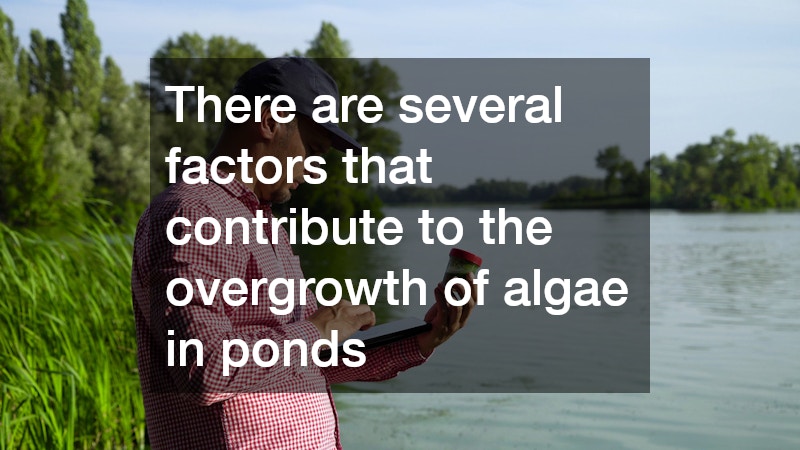
There are several factors that contribute to the overgrowth of algae in ponds. Nutrient overload is one of the primary causes, as excess nitrates and phosphates in the water can fuel algae blooms. These nutrients typically enter ponds through runoff from fertilizers, decaying plant matter, and fish waste.
Another crucial factor is inadequate water circulation. Stagnant water provides an ideal environment for algae to thrive, as it allows nutrients to accumulate easily. Natural or human-made obstructions can prevent proper water flow, leading to poor oxygenation and increased nutrient levels.
Sunlight exposure is also a significant factor in algae growth. Ponds that receive excessive sunlight are more prone to algae blooms because light is a critical component of photosynthesis. During the warmer months, ponds with little shade are particularly susceptible to rapid algae growth.
Effective Pond Algae Treatment in DE
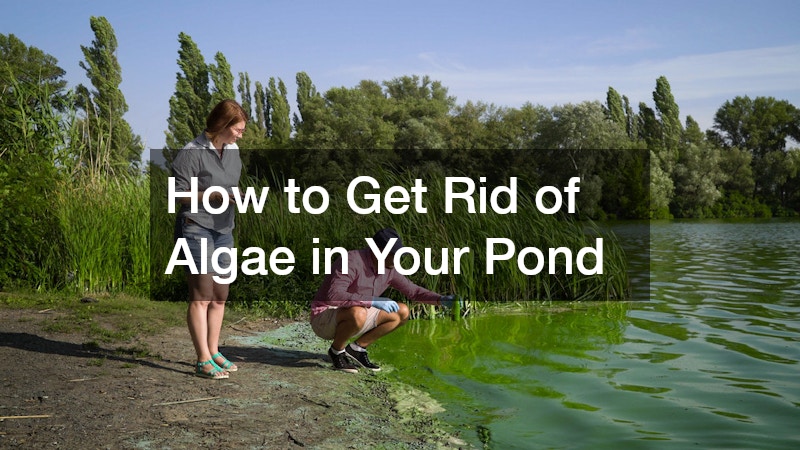
Controlling algae in ponds requires a multifaceted approach, often combining preventive measures and treatments. In Delaware, where ponds are common features in residential and commercial landscapes, pond algae treatment is essential for maintenance. Environmental management is a key strategy, involving regular pond cleaning and nutrient management.
Mechanical removal of algae can be an effective short-term solution. This involves manually removing algae using pond rakes or skimmers, which helps reduce the biomass of the algae. Additionally, installing aeration systems can enhance water circulation, thus reducing stagnant areas where algae thrive.
Biological control involves the introduction of beneficial bacteria or algae-eating fish that naturally reduce excess algae. Koi and goldfish, for example, are known for their ability to graze on algae, helping to keep growth in check. Additionally, the use of pond additives like barley straw can inhibit algae growth by releasing compounds that affect algal physiology.
Preventive Measures for Algae Control
Prevention is always better than cure when it comes to algae control. Implementing measures to limit nutrient inputs can significantly reduce the risk of algae overgrowth. This includes proper lawn and garden fertilization practices to minimize nutrient runoff into ponds.
Planting vegetation around the pond’s perimeter can also help. Native plants act as a natural buffer, filtering out nutrients before they enter the water. They also provide shade, reducing the amount of sunlight that reaches the pond, thereby limiting photosynthesis and algae growth.
Regular pond maintenance is crucial to prevent algae proliferation. This includes routinely removing debris, fallen leaves, and other organic matter that can contribute to nutrient build-up. Maintaining a healthy pond ecosystem with balanced fish and plant populations is key to keeping algae growth in check.
Maintaining a healthy pond environment requires a balanced approach, combining preventive measures with effective pond algae treatments. In DE, understanding the local climate and environmental conditions will aid in the successful management of pond ecosystems. Regular monitoring and timely interventions can keep algae growth at bay, ensuring a visually pleasing and ecologically balanced pond.
By addressing the root causes of algae overgrowth, pond owners can significantly reduce the occurrence of algae blooms. Incorporating both natural and chemical treatments where necessary ensures a comprehensive strategy for algae control. In doing so, ponds can remain vibrant and healthy habitats for fish, plants, and other aquatic life.
Ultimately, the goal is to establish an environment where aquatic plants and wildlife can thrive, with algae growth kept within manageable levels. By implementing the right strategies, pond owners in Delaware can enjoy beautiful, algae-free ponds that enhance their landscapes. With consistent efforts, it is possible to maintain the delicate balance necessary for sustainable pond ecosystems.