Boilers are essential for keeping homes warm and comfortable, especially during colder months. However, like any mechanical system, they can develop issues over time that affect performance and efficiency. Understanding how to identify and troubleshoot common problems can help you maintain your system, avoid costly repairs, and extend the life of your equipment. With a proactive approach to boiler maintenance, many minor issues can be resolved before they turn into major concerns.
Identifying Low-Pressure Problems
One of the most common boiler issues homeowners face is low pressure. When the pressure drops below the recommended level, your system may struggle to heat your home effectively.
You might notice that radiators are not warming up properly or that the boiler is shutting off unexpectedly. To troubleshoot this, check the pressure gauge on your boiler. Most systems operate best between 1 and 1.5 bar when cold. If the pressure is too low, you can often fix it by repressurizing the system using the filling loop. Be sure to follow the manufacturer’s instructions and avoid over-pressurizing, as this can cause additional issues.
Addressing Lack of Heat or Hot Water
If your boiler is running but not producing heat or hot water, there could be several causes. Thermostat settings, faulty valves, or airlocks in the system are all potential culprits. Start by ensuring your thermostat is set correctly and that the timer is functioning as expected. Next, check whether the radiators are warm. If they are cold or only partially heated, you may need to bleed them to release trapped air. Airlocks can prevent hot water from circulating properly, reducing the efficiency of your system. Resolving these issues can often restore normal operation without the need for professional intervention.
Fixing Strange Noises in the System
Unusual noises such as banging, whistling, or gurgling can indicate underlying problems within your boiler. These sounds are often caused by trapped air, limescale buildup, or uneven water flow within the system. Bleeding radiators can help eliminate air pockets that cause gurgling noises. If the issue is due to limescale, particularly in areas with hard water, a system flush or descaling treatment may be necessary. Regular maintenance can help prevent these issues from developing and keep your boiler running quietly and efficiently.
Resolving Pilot Light or Ignition Issues
A boiler that fails to ignite or has a pilot light that keeps going out can be frustrating and potentially dangerous. Common causes include a faulty thermocouple, drafts extinguishing the flame, or a buildup of debris around the pilot light. Before attempting any fixes, ensure your gas supply is turned on. If the pilot light has gone out, you may be able to relight it by following the instructions in your boiler manual. However, if the problem persists, it is best to contact a professional technician, as gas-related issues require specialized knowledge and safety precautions.
Dealing With Leaks and Drips
Water leaks around your boiler can lead to pressure loss and potential damage to surrounding areas. Leaks may occur due to corroded pipes, loose connections, or worn-out seals. Identifying the source of the leak is the first step in addressing the issue. If the leak is coming from a visible joint or valve, tightening the connection may resolve the problem. However, if corrosion or internal damage is involved, replacement parts may be needed. It is important not to ignore leaks, as even small drips can lead to more significant damage over time.
Preventing Frequent Boiler Cycling
Short cycling, where the boiler turns on and off frequently, can reduce efficiency and place unnecessary strain on the system. This issue is often caused by thermostat problems, poor water circulation, or an incorrectly sized boiler. Check your thermostat placement to ensure it is not affected by drafts or direct sunlight, which can cause inaccurate readings. Additionally, make sure your system is properly balanced and that radiators are functioning correctly. Addressing these factors can help stabilize your boiler’s operation and improve overall performance.
Maintaining Long-Term Boiler Performance
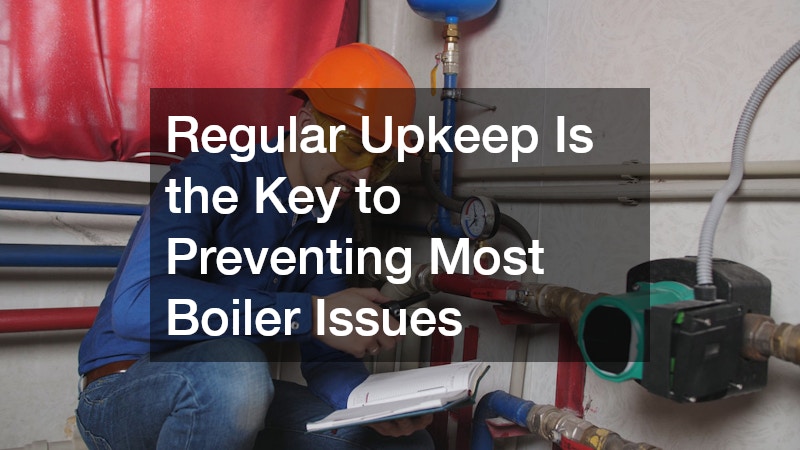
Regular upkeep is the key to preventing most boiler issues. Scheduling annual inspections, cleaning components, and monitoring system performance can help you catch problems early. Consistent boiler maintenance not only improves efficiency but also extends the lifespan of your system. While some troubleshooting steps can be handled on your own, it is important to know when to call a professional. Complex issues, especially those involving gas or electrical components, should always be addressed by a qualified technician. By combining routine care with timely repairs, you can ensure your boiler remains reliable and efficient for years to come.