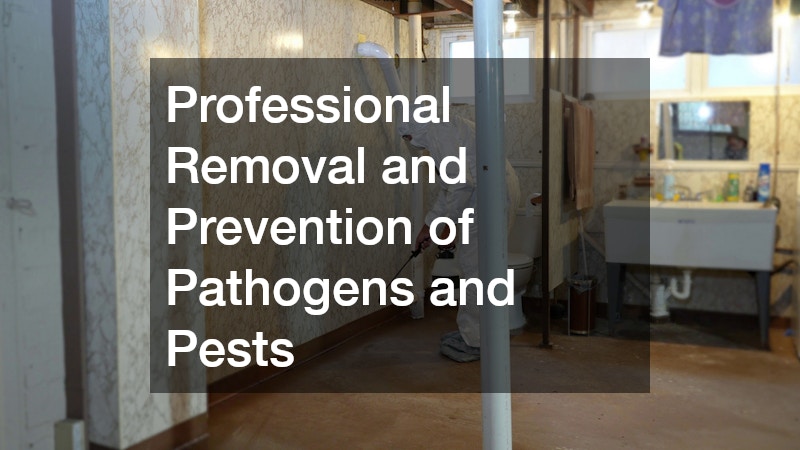
Your home is meant to be a safe haven—a place where you can relax, raise a family, and recharge. However, beneath the surface of walls, inside ductwork, and along the foundation, hidden invaders can quietly compromise both your living environment and structural integrity. Microscopic pathogens like mold spores and allergen-heavy mildews share a direct relationship with common household pests like rodents and insects. Both groups thrive under the exact same conditions: excess moisture, poor ventilation, shelter, and unsealed entry points.
When biological contaminants and physical pests establish themselves, the consequences go far beyond simple inconvenience. Respiratory distress, allergic reactions, structural decay, and compromised indoor air quality are frequent results of unaddressed infestations. Achieving long-term protection requires moving past temporary, surface-level quick fixes. A truly safe home demands a comprehensive strategy that combines environmental remediation, mechanical maintenance, and targeted exclusion.
Addressing Moisture and Airflow: Preventing Biological Threats
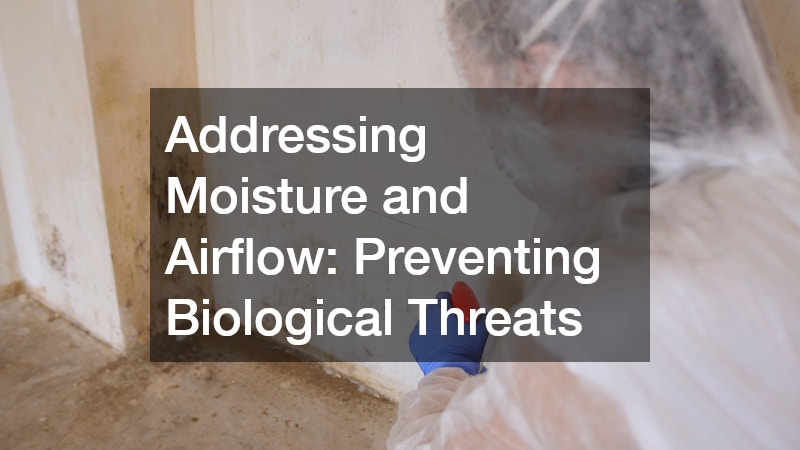
Microscopic fungal spores are naturally present in outdoor air, but when they settle inside a home with elevated humidity and inadequate airflow, they quickly form active colonies. Controlling indoor moisture is the single most important factor in preventing large-scale biological contamination. Relative humidity levels above 50% create an optimal breeding ground for biological growth on drywall, subflooring, joists, and personal belongings.
To manage humidity effectively, homeowners should take continuous, deliberate steps toward moisture control:
- Monitor Humidity Levels: Install digital hygrometers on every floor, particularly in basements, crawlspaces, and attics, keeping relative humidity consistently between 30% and 50%.
- Deploy Targeted Dehumidification: Utilize heavy-duty, low-temperature dehumidifiers in naturally damp zones, ensuring continuous drainage lines are routed directly to floor drains or sump pumps.
- Optimize Exhaust Systems: Run dedicated exhaust fans in kitchens and bathrooms during use and for at least twenty minutes afterward to clear localized moisture blooms.
- Improve Subfloor Air Circulation: Keep air vents open in crawlspaces or consider full encapsulation with vapor barriers if ambient moisture remains chronically high.
- Encourage Natural Cross-Ventilation: Open opposing windows on dry, low-humidity days to flush out stagnant indoor air and clear accumulated vapor.
- Seal Sump Pump Pits: Fit sub-grade sump pits with airtight, sealed covers to stop groundwater from evaporating directly into the basement envelope.
When surface growth becomes visible, it is critical to distinguish between light atmospheric growth and deep structural contamination. Surface discoloration on non-porous materials like tile or metal can often be addressed through standard cleaning protocols. However, porous surfaces like sheetrock, insulation, and unfinished lumber absorb moisture deeply, allowing fungal root structures to penetrate far beneath the surface.
In cases where moisture has penetrated deep into building materials, standard surface wiping will not stop the growth cycle. Professional mold remediation services are required to isolate affected areas using containment barriers, negative air pressure, and high-efficiency particulate air scrubbing systems to prevent spores from spreading into clean living areas. During this process, technicians remove ruined materials, treat remaining framing with antimicrobial sealants, and dry the structure completely. Parallel to this, specialized mildew removal techniques are applied to lighter, non-structural surface blooms to sanitize hard surfaces, eliminate persistent lingering odors, and restore overall indoor air quality.
Fortifying Mechanical and Utility Systems Against Invaders
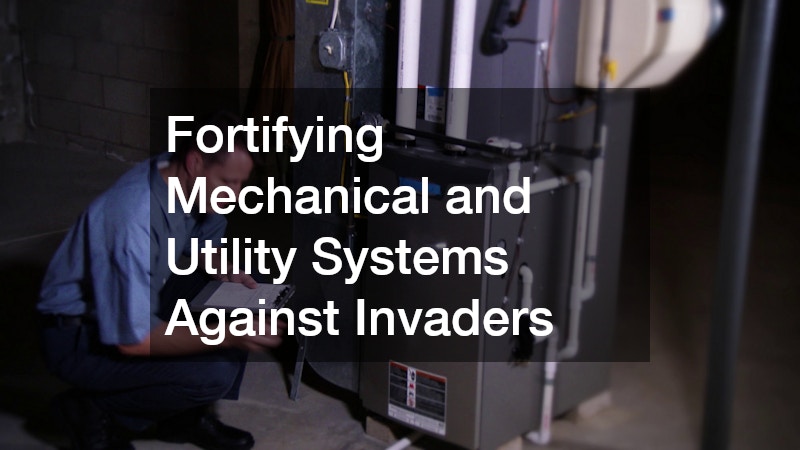
Your home’s mechanical and utility networks act as its respiratory and circulation systems, but they can also double as highway networks for pests and pathogens if left unmaintained. Forced-air heating and cooling systems circulate thousands of cubic feet of air throughout your home every single day. If moisture accumulates inside ductwork or on cooling coils, the entire system becomes a distribution network for biological contaminants and dust mites.
Maintaining pristine mechanical systems requires a combination of routine home inspection and technical maintenance:
- Upgrade Air Filtration: Replace standard fiberglass air filters with pleated filters rated MERV 11 or higher to trap microscopic particles, dust mites, and fungal spores.
- Inspect Condensate Drain Lines: Check air conditioning drain pans regularly to ensure water flows freely and does not back up or overflow into surrounding framing.
- Seal System Ductwork: Inspect accessible ducts in attics, basements, and crawlspaces for loose joints, holes, or failing tape that could draw in unconditioned, dirty air from unheated spaces.
- Schedule Annual System Flushes: Have heat exchangers, blower wheels, and evaporator coils professional cleaned to remove built-up organic debris that feeds microbial growth.
- Insulate Cold and Hot Water Pipes: Wrap exposed water lines with foam sleeve insulation to eliminate surface condensation dripping into wall voids.
- Escutcheon Plate Installation: Install tight-fitting metal escutcheon plates around all utility pipes where they pass through drywall or cabinet backs.
Routinely scheduled professional HVAC services ensure that internal coils remain free of biological build-up, electrical connections remain secure, and system static pressure remains within safe operational limits. These efforts ensure clean air distribution and prevent the damp, dark internal environment that attracts nesting insects and small rodents.
Utility pipes represent another major vulnerability. Water supply lines and drain pipes cut through walls, floors, and cabinets, creating dark, damp channels that pests use to travel unseen. Even a minor pinhole leak under a kitchen sink or behind a washing machine generates enough localized moisture to rot wood and attract cockroaches, silverfish, and rodents. Timely plumbing repair eliminates these hidden water sources, seals open wall cavities around pipe penetrations, and keeps structural wood completely dry, effectively removing the primary attractant for ambient pest populations.
Securing Large Entry Points and Perimeter Access Areas
The exterior envelope of your home is constantly tested by weather, soil settlement, and wildlife. While small cracks in the foundation are obvious concern areas, large overhead openings represent some of the most significant structural gaps available to opportunistic invaders. Garages, in particular, serve as the primary transition zone between the outside environment and your indoor living quarters.
To fortify large access zones, implement the following exclusion habits around your property perimeter:
- Perform Floor Level Gap Audits: Turn off garage lights during daytime and inspect the bottom seal; if daylight shows anywhere along the floor, pests can freely enter.
- Install Rodent-Resistant Weatherstripping: Choose heavy-duty rubber or nylon-brush seals reinforced with steel wire mesh over basic vinyl seals that gnawing rodents can easily chew through.
- Seal Utility Pass-Through Points: Check where electrical conduits, hose bibs, and gas lines enter through garage walls, filling gaps with dense expanding foam and copper mesh.
- Maintain Exterior Grading: Keep soil, wood chips, and leaf litter at least six inches away from garage slabs and doorframes to eliminate sheltered staging grounds for pests.
- Cover Exterior Vents with Mesh: Cap attic, soffit, and dryer exhaust vents with heavy-gauge galvanized steel mesh screens to stop wildlife from entering.
- Adjust Door Latches and Hinges: Realign saggy interior garage entry doors to make sure deadbolts and latching plates pull the frame tight against perimeter jamb seals.
Garages host unique vulnerabilities because the large moving components are subject to wear, shifting, and mechanical misalignment over time. Specialized garage door services ensure that heavy panels sit perfectly flush against jambs, thresholds, and side tracks, eliminating structural gaps that allow outdoor pests, cold air, and moisture to seep inside.
When large exterior entry points fail, small mammals quickly take advantage of the shelter. House rodents can squeeze through openings as tiny as a quarter-inch—roughly the width of a standard pencil. Once inside a garage or utility room, they chew through wiring, ruin insulation, and contaminate surfaces with droppings and urine. If an infestation takes root, calling a qualified mice exterminator becomes necessary to deploy targeted trapping protocols, identify hidden nesting sites, and execute complete structural exclusion to prevent secondary entry.
Subterranean Defense: Eliminating Structural Wood Destroyers

While many home pests are simply annoying or unsanitary, wood-destroying organisms pose a direct threat to the structural integrity of your building framing. Subterranean insects live in underground colonies and construct shelter tubes over concrete foundations to reach the soft wood framing inside your floors and walls. Because they consume timber from the inside out, extensive damage can occur behind drywall long before any exterior signs become visible.
Safeguarding your home’s framing requires continuous effort to disrupt the conditions that attract subterranean colonies:
- Eliminate Wood-to-Soil Contact: Ensure deck posts, stair stringers, trellis supports, and door frames never touch bare soil directly.
- Remove Exterior Cellulose Debris: Clear buried scrap wood, tree stumps, leftover construction lumber, and thick layers of organic mulch from around the foundation perimeter.
- Divert Water Away from Foundations: Position downspout extensions and splash blocks to discharge rainwater at least five feet away from foundation walls.
- Maintain Ventilation in Unheated Spaces: Keep foundation vents clear of overgrown landscaping to ensure constant airflow through crawlspaces.
- Inspect Crawlspace Support Piers: Regularly examine concrete block piers and support posts for mud shelter tubes ascending from the soil.
- Store Cardboard Containers Above Ground: Move cardboard storage boxes off bare concrete floors in basements and place them onto elevated metal shelving racks.
Protecting wood framing requires specialized techniques that go far beyond basic perimeter sprays. Comprehensive termite treatment services utilize non-repellent liquid soil barriers, specialized foam injections inside wall voids, and underground baiting stations that workers carry back to eliminate the central colony.
Early detection is critical when dealing with subterranean pests. Property owners should watch for warning signs such as discarded translucent wings near windowsills, mud tubes ascending foundation walls, or hollow-sounding wood trim. Partnering with a licensed exterminator allows homeowners to undergo thorough annual inspections, catch subterranean activity in its earliest stages, and apply targeted treatments before structural repairs become necessary.
Designing a Custom, Long-Term Integrated Pest Management Plan
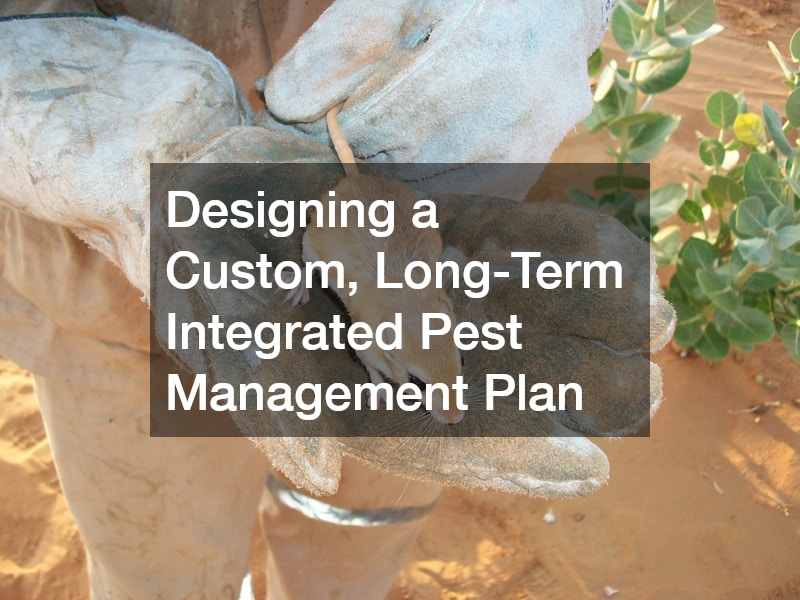
Managing household biological hazards and structural pests is not a single event; it is an ongoing maintenance discipline. Modern property protection relies on Integrated Pest Management, an eco-conscious, multi-step framework that prioritizes inspection, sanitation, and physical exclusion over the continuous, indiscriminate application of chemicals.
A robust long-term defense framework rests on several fundamental practices:
- Conduct Quarterly Exterior Sweeps: Inspect foundation walls, window wells, rooflines, and soffits every three months to identify new cracks, settling gaps, or weather strip degradation.
- Practice Strict Food Sanitation: Store pantry goods in airtight glass or thick plastic containers, wipe down counters nightly, and clear pet food dishes immediately after feeding.
- Manage Yard Vegetation: Trim tree branches and shrubs so they remain at least two feet away from siding and rooflines, preventing natural bridges for climbing pests.
- Store Firewood Elevated: Keep stacked firewood elevated at least six inches off the ground and stored at least twenty feet away from any residential structure.
- Eliminate Standing Water Outside: Empty flowerpot saucers, clogged rain gutters, and birdbaths weekly to disrupt mosquito and insect breeding sites.
- Install Door Sweeps on Exterior Entries: Attach durable brush or rubber door sweeps to all exterior entry doors to eliminate floor-level clearance gaps.
Relying on professional pest control provides homeowners with access to specialized tools, commercial-grade materials, and expert knowledge of local pest biology. Trained specialists track behavioral patterns, identify subtle entry points that non-professionals miss, and apply targeted treatments that minimize exposure risks for children and pets.
When persistent seasonal infestations break through basic barriers, comprehensive extermination services provide high-impact interventions. Specialists use thermal imaging to locate hidden nests inside walls, apply precise dust formulations within utility voids, and perform full-structure physical sealing to ensure that once invaders are eliminated, your home remains secure for years to come.
Creating a resilient, healthy home requires a clear understanding of how moisture, structural integrity, and biological invaders interact. Pathogens like mold and mildew flourish in the exact same damp, unventilated environments that attract destructive insects and nuisance rodents. When one system breaks down—whether it is a slow plumbing leak, a misaligned garage door, or a clogged AC drain line—it creates an open invitation for pests and biological hazards to take hold.
Lasting protection cannot be achieved through temporary fixes or reactive chemical sprays alone. It demands a holistic, dual-action strategy: removing active threats using specialized equipment while aggressively maintaining the physical systems that keep invaders out. By staying vigilant with home maintenance, addressing excess moisture promptly, and partnering with qualified professionals when specialized intervention is required, you can safeguard your home’s structural integrity, protect your family’s health, and maintain a safe, comfortable living space year-round.
