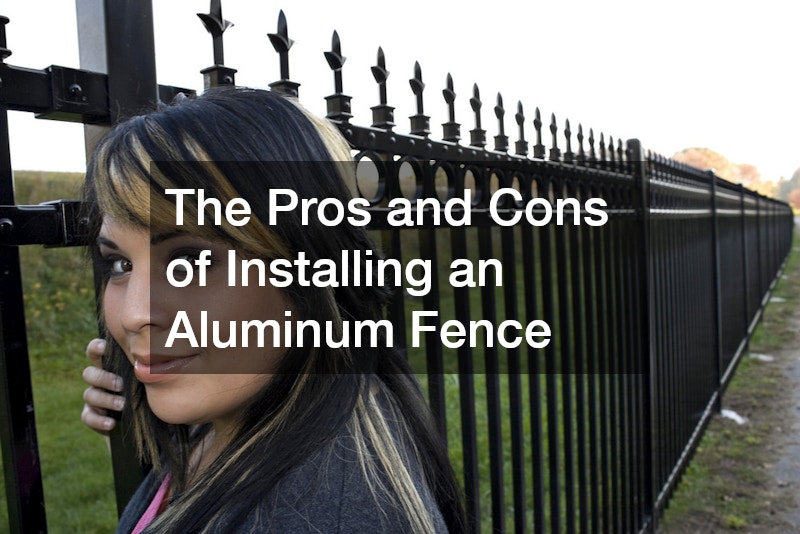
Choosing the right type of fencing is an important decision for homeowners and property managers alike. A fence is not only a functional structure that defines boundaries and enhances security, but it is also a visible design element that can impact a property’s overall appearance and value. Among the many fencing options available today, aluminum fencing has become increasingly popular for residential and commercial applications. Before making a final decision, it is essential to understand both the advantages and potential drawbacks of installing an aluminum fence.
One of the most notable benefits of aluminum fencing is its durability. Aluminum does not rust, rot, or corrode, making it an excellent choice for properties exposed to moisture, humidity, or varying weather conditions.
Unlike wood, which can warp or decay over time, aluminum maintains its structural integrity for decades with minimal maintenance. This long lifespan makes aluminum fencing a practical investment for those seeking a long-term solution.
Another major advantage is low maintenance. Homeowners who choose aluminum fencing do not need to worry about regular painting, staining, or sealing. A simple rinse with water is usually enough to keep the fence looking clean and attractive. This ease of care is particularly appealing to busy homeowners or property managers responsible for maintaining multiple sites. When considering aluminum fence installation, the reduced upkeep can significantly lower long-term maintenance costs.
Aesthetically, aluminum fences offer a clean, elegant appearance that can complement a wide range of architectural styles. Available in various colors, heights, and decorative designs, aluminum fencing can enhance curb appeal without overwhelming the landscape. Many aluminum fences mimic the classic look of wrought iron while remaining lighter and more affordable. This combination of style and practicality makes aluminum a versatile choice for both modern and traditional properties.
Security is another area where aluminum fencing performs well. While it may not be as heavy as steel, aluminum fencing is strong enough to act as an effective barrier. It is commonly used around pools, gardens, and residential yards to deter trespassers and keep children or pets safely enclosed. With proper aluminum fence installation, property owners can also customize features such as spear tops or closely spaced pickets to enhance security without sacrificing appearance.
Despite its many advantages, aluminum fencing does come with some limitations. One of the primary drawbacks is cost. While aluminum is generally less expensive than wrought iron, it can be more costly upfront than wood or chain-link fencing. For large properties or long fence lines, the initial investment may be a concern for budget-conscious buyers. However, it is important to weigh this cost against the reduced maintenance and longer lifespan that aluminum provides.
Another potential downside is the strength compared to heavier metals. Aluminum is lightweight, which makes it easier to install and handle, but it may not be the best option for areas requiring maximum impact resistance. In high-security applications or locations prone to heavy force, such as commercial or industrial sites, steel fencing may offer greater strength. That said, aluminum remains sufficiently durable for most residential and light commercial uses.
Privacy is also a consideration. Traditional aluminum fences are typically designed with open pickets, which allow visibility through the fence. While this openness contributes to an attractive and airy appearance, it may not meet the needs of homeowners seeking complete privacy. Privacy panels or landscaping can be added, but these additions may increase overall costs and reduce the simplicity that many people value in aluminum fencing.
Installation requirements can present another challenge. While aluminum fencing is lighter than many other materials, proper leveling and alignment are crucial for a professional finish. Uneven terrain or sloped landscapes may require additional planning and customization. Hiring experienced professionals for aluminum fence installation helps ensure the fence is secure, compliant with local regulations, and visually appealing.
Aluminum fencing offers a balanced combination of durability, low maintenance, visual appeal, and security. Its resistance to rust and corrosion makes it ideal for long-term use, while its range of styles allows property owners to enhance their outdoor spaces. However, factors such as upfront cost, limited privacy, and relative strength should be carefully considered. By evaluating both the pros and cons and understanding how aluminum fencing aligns with specific needs and budgets, homeowners can make a confident and informed decision. When installed correctly and thoughtfully, an aluminum fence can be a lasting and attractive addition to any property.
Additionally, aluminum fencing is often valued for its eco-friendly qualities. Aluminum is a recyclable material, and many fences are manufactured using recycled content, making it a more sustainable option compared to treated wood or vinyl. This can be an important factor for environmentally conscious homeowners who want to reduce their environmental footprint without compromising durability or design. Local building codes and homeowners’ association guidelines may also influence fencing choices, and aluminum fences are frequently approved due to their clean appearance and safety features. Taking the time to review these regulations and compare them with your property goals can further ensure that your fencing investment delivers both practical and aesthetic benefits over the long term.

