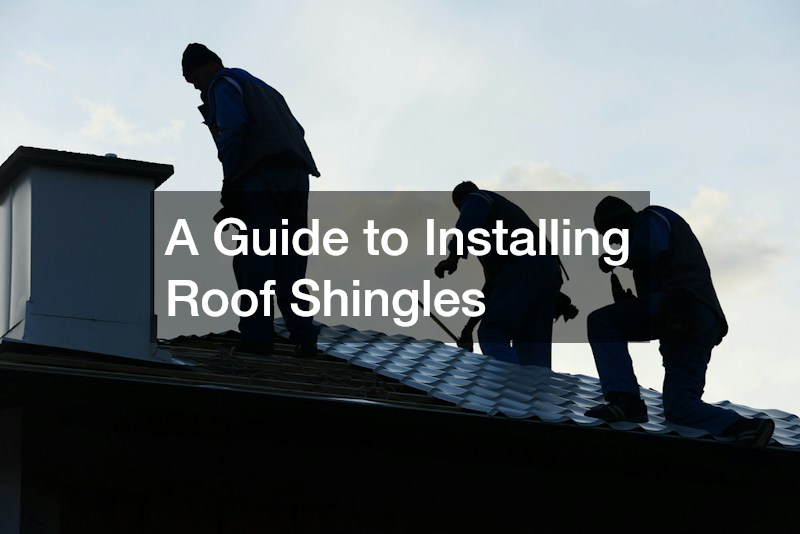
Explore the intricate process of installing roof shingles with the guidance of professional roofers. This guide will provide you with essential insights, tips, and considerations for a successful roofing project.
What Types of Roof Shingles Are Available?
When embarking on a roofing project, it’s vital to understand the types of shingles available in the market. Each type offers unique benefits, durability, and aesthetics that can suit different architectural styles and climates.
Equipped with this knowledge, homeowners can make informed decisions regarding the most suitable roofing materials for their needs.
Asphalt shingles are the most popular choice due to their affordability and ease of installation. They are known for their durability, being able to withstand various weather conditions while maintaining performance. Roofers frequently recommend asphalt shingles for those seeking a balance between cost and quality.
Eco-conscious homeowners might opt for wood shingles, which provide natural insulation and a unique rustic charm. However, it’s essential to consider factors such as maintenance and vulnerability to moisture. Consulting with experienced roofers can help identify whether wood shingles align with the homeowner’s expectations and environmental goals.
How to Prepare Your Roof for Shingle Installation?
Before installing new shingles, it’s critical to prepare the existing roof structure adequately. This preparation sets the foundation for a successful installation and prolongs the lifespan of the new shingles. Investing time in preparation can ultimately lead to a more durable and less problematic roofing system.
The first step involves inspecting and cleaning the roof, removing any debris, moss, or dirt. A thorough inspection can reveal underlying issues like mold, rot, or structural damage that need addressing before further work. Cleaning ensures that the surface is even, allowing roofers to apply underlayment smoothly and effectively.
Once the roof is clean, any damage must be repaired to prevent future complications. This phase might involve replacing damaged wood or addressing any leaks, ensuring the roof can support new shingles securely. Professional roofers can provide valuable insights into the best materials and methods for repairs.
What Is the Installation Process for Roof Shingles?
The first row of shingles, often called the starter strip, is crucial for setting the correct alignment and spacing. Roofers use specific techniques to secure these shingles, ensuring they resist wind uplift and other environmental factors. This step, though seemingly simple, lays the groundwork for a straight and aesthetically pleasing installation.
Once the first row is in place, the process of laying additional shingles begins. Roofers apply shingles in a staggered manner, which enhances water runoff and prevents leaks. This meticulous method requires patience and precision to ensure all shingles are properly aligned and securely attached.
Securing shingles involves more than just nailing them into place; it requires attention to detail to avoid future issues. Roofers typically adjust the pressure of nail guns to cater to the type of shingles being installed. Different shingles may have varying requirements based on their thickness and material, and professional roofers can best navigate these nuances.
What Maintenance Is Required for Shingled Roofs?
Regular inspections are vital in maintaining the longevity and performance of any roof. These inspections, ideally performed twice a year, help identify potential issues before they lead to more significant problems. Homeowners should rely on skilled roofers to conduct thorough assessments, particularly after severe weather conditions.
Debris buildup, such as leaves and twigs, can damage shingles and lead to moisture retention, which is detrimental over time. Regular cleaning minimizes these risks and contributes to the roof’s overall health and appearance. Professional roofers use specific tools and techniques to safely and effectively remove debris from shingles.
Even with the most durable shingles, minor damages can occur, and addressing these promptly is crucial. Roofers can provide repair services that target minor cracks, missing shingles, or damage from pests. Keeping repairs up-to-date prevents minor issues from escalating into costly roofing emergencies.
How to Choose a Professional Roofer for Installation?
Choosing the right roofer for your installation project involves careful research and consideration. Begin by compiling a list of potential roofers who have a credible presence in the local market. Referrals, online directories, and industry associations can be instrumental resources during this initial stage.
Once a list of potential contractors is compiled, verify their credentials to ensure they have the necessary qualifications and experience. Check for insurance, licenses, and certifications that illustrate their expertise and commitment to high safety and quality standards. This is a critical step, as hiring unqualified roofers can lead to poor workmanship and unmet expectations.
After verifying credentials, it’s important to compare quotes from different roofers. Pay close attention to the scope of work outlined in each estimate, as well as any hidden costs that might affect the overall budget. By doing so, homeowners can select a roofer whose pricing aligns with their financial expectations and project requirements.
Successfully installing roof shingles involves informed preparation, expert installation strategies, and a commitment to regular maintenance. Whether you choose to take on a DIY project or engage skilled roofers, understanding each stage thoroughly will ensure a durable and effective roofing solution.
