Explore the ultimate guide to choosing the best siding for your home. Learn about different materials, costs, and factors important for making a wise choice for your home’s exterior look and performance.
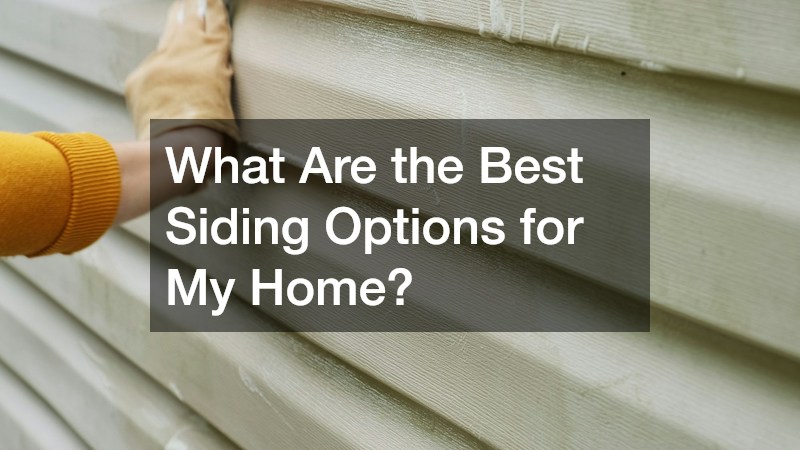
What Factors Should I Consider When Choosing Siding?
When choosing siding for your home, it’s crucial to consider your climate and local weather conditions. The environmental demands on siding vary drastically depending on where you live.
Regions with high humidity require moisture-resistant materials, while areas prone to storms need impact-resistant options. For example, fiber cement is favored in hurricane-prone areas for its durability and ability to withstand strong winds. Furthermore, aesthetic preferences and architectural style should also align with your siding choice to create a cohesive look.
Cost is another significant factor when selecting siding, as prices can vary greatly between materials. Vinyl siding is among the most economical options, and its low cost does not mean low quality. Many homeowners appreciate vinyl for its affordability and low maintenance requirements. In comparison, wood siding, while beautiful and timeless, often demands a larger initial investment and ongoing upkeep. Ultimately, your budget will help guide your decision, but balance it with long-term costs and benefits.
Durability and maintenance requirements are also critical considerations for homeowners. Some materials, like metal and fiber cement, offer exceptional durability against harsh weather conditions. Maintaining your siding can prolong its life and preserve its appearance. For those seeking low-maintenance solutions, vinyl and metal sidings usually require less frequent upkeep. Homeowners keen on sustainability might prefer eco-friendly materials like wood or reclaimed products, which combine durability with environmental responsibility.
Which Siding Materials Are Most Durable?
Among the most durable siding materials, fiber cement stands out for its resilience and strength. Composed of sand, cement, and cellulose fibers, it resists warping, rotting, and pests. This makes it particularly suitable for regions that experience harsh weather patterns and fluctuations in temperature. Notably, its non-combustible nature additionally adds a layer of safety to homes in fire-prone areas. These characteristics make fiber cement a long-lasting and reliable choice.
Brick siding remains a classic and incredibly durable option, often outlasting the structural life of a home. Known for its strength and energy efficiency, brick provides excellent insulation, helping to stabilize indoor temperatures. It’s also resistant to the inevitable wear and tear caused by regular weather exposure. However, the installation process can be lengthy and costly, making it a significant investment upfront. Still, its timeless appeal and low maintenance, with occasional repointing, make it a favorite among homeowners valuing longevity.
Metal siding, including both steel and aluminum, offers impressive durability. Resistant to fire, insects, and weather elements, metal siding can be an excellent choice for individuals looking for minimal maintenance and longevity. Steel siding, in particular, provides extensive protection against impacts and harsh climates. It is, however, susceptible to rust, so proper finishing and maintenance are essential. Despite this, its robustness and sleek appearance make it a popular choice for modern homes.
What Are the Environmental Impacts of Different Sidings?
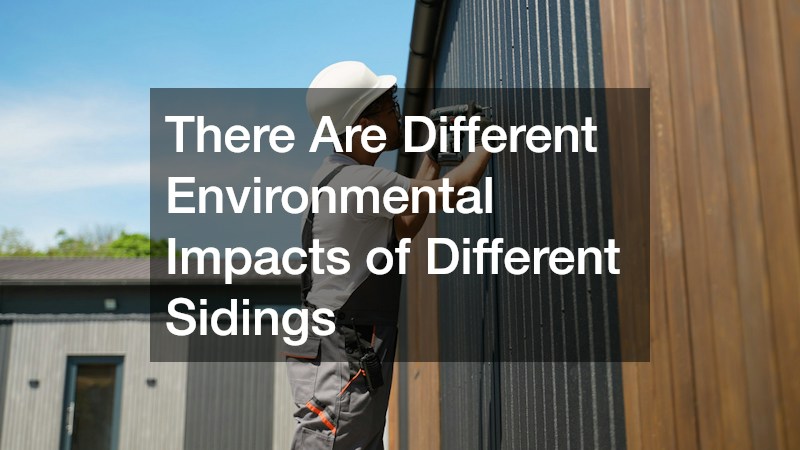
The environmental impact of siding materials is an essential consideration for eco-conscious homeowners. Wood siding, especially when responsibly sourced from sustainable forests, offers a renewable option with a smaller carbon footprint compared to synthetic materials. It can be recycled or repurposed at the end of its life, making it a greener choice. However, it requires protective finishes that can contain volatile organic compounds (VOCs), which may contribute to pollution. Choosing low-VOC finishes can mitigate some of these concerns and enhance the sustainability of wood siding.
Vinyl siding, although cost-effective and easy to maintain, presents some environmental challenges. The production of vinyl involves the release of greenhouse gases and the use of non-renewable resources. While recycling programs for vinyl exist, they’re not widespread, posing end-of-life disposal concerns. Advances in manufacturing are lowering its environmental impact, but it’s still considered less eco-friendly compared to alternatives like wood or fiber cement. It’s important to weigh these factors if sustainability is a key priority.
Fiber cement siding offers a balanced option for those concerned about environmental impact. It’s composed of renewable and abundant resources, and its long lifespan means less frequent replacement. While energy-intensive to manufacture, it doesn’t degrade easily and can improve a home’s energy efficiency through insulation. In addition, the durability and low maintenance match environmental considerations by reducing the need for repainting, thus cutting down on pollutants. This makes it a suitable choice for many modern homeowners seeking sustainability.
How Does Siding Affect My Home’s Value?
Investing in high-quality siding can have a significant positive impact on your home’s market value. Curb appeal plays a crucial role in attracting potential buyers, and siding is a major contributor to the overall exterior aesthetics. The right siding can enhance architectural features and boost visual appeal, creating a lasting first impression. Additionally, durable and well-maintained siding can indicate to buyers that a home has been cared for, increasing their confidence in its condition. This ultimately can lead to better offers and a quicker sale.
Aside from aesthetic contributions, siding can also impact home value through its functional benefits. Insulated siding, for instance, can improve energy efficiency, lowering utility bills which appeals to environmentally conscious buyers. Furthermore, materials like fiber cement offer both protective qualities and aesthetic options that can cater to diverse buyer preferences. In markets where environmentally friendly features command a premium, siding upgrades can play a significant role in elevating home value. Hence, choosing the right siding should factor in both visual and functional enhancements.
On the financial front, replacing or upgrading siding can yield a substantial return on investment. Projects like these not only improve immediate curb appeal but also build long-term structural protection for the property. According to some industry reports, homeowners can recoup nearly 75% or more of the cost of a siding replacement upon sale. This makes siding improvements an attractive option not only for current enjoyment but also for its financial return potential. It’s a crucial consideration for homeowners looking to optimize property value.
What Are the Latest Trends in Siding?
Siding trends continually evolve, with the latest styles emphasizing both function and aesthetics. One growing trend is the use of mixed materials, where designers combine different types of siding to create visual interest and uniqueness. Homeowners are pairing materials like stone and wood for a textured look or metal and fiber cement for modern appeal. This approach allows for personalization while enhancing architectural elements. Mixed-material exteriors are appreciated for their innovative use and capacity to adapt to various design preferences.
Color trends in siding have shifted towards bold and earthy tones, offering a more natural and contemporary feel. Dark shades like navy, charcoal, and forest green are increasingly popular, providing a dramatic backdrop that accentuates other architectural details. These colors contrast beautifully with lighter ornamental features and add a level of sophistication to the exterior. Neutral tones are still prevalent, with greys and beiges offering timeless appeal. Homeowners are encouraged to consider how these colors align with their surroundings and the overall design vision.
Eco-friendly materials continue to gain momentum in the siding industry. With increased awareness of environmental issues, homeowners are steering towards sustainable options like engineered wood and recycled metal. These materials offer both aesthetic versatility and reduced environmental impact, blending style with sustainability. Additionally, advancements in technology have led to the growth of smart sidings, which incorporate energy-efficient solutions and sustainable features. As interest in eco-conscious living grows, siding trends will continue to reflect this shift.
In conclusion, selecting the right siding for your home involves a careful evaluation of various factors, including durability, environmental impact, and cost. By understanding the latest trends and how siding choices affect your home’s value, you can make an informed decision that enhances the beauty and functionality of your home. Installing or upgrading siding doesn’t just protect your house from elements but also enriches its aesthetic and market appeal. It’s a critical investment towards maintaining and increasing property value while aligning with personal and sustainable goals. Ultimately, the best siding choice will harmonize with your home’s design and meet the long-term aspirations of your household.