
Congratulations on becoming a homeowner! Buying a new home is an exciting milestone that marks both a personal and financial achievement. Yet, it’s also the beginning of a long-term commitment that requires care, planning, and proactive effort. The first few months after closing are the most critical for new homeowners because this is when you lay the foundation for a safe, comfortable, and efficient living environment.
Owning a house is more than just unpacking boxes and decorating rooms. Behind the walls, under the floors, and across the exterior, a network of systems needs attention to keep everything running smoothly. Ignoring these early responsibilities can lead to costly repairs later. From checking your plumbing and electrical systems to ensuring your roof and insulation are in top shape, strategic maintenance protects your investment and ensures lasting comfort.
This comprehensive guide walks you through what to do after purchasing your home. You will learn how to inspect essential systems, handle repairs, personalize your space, and build an effective maintenance schedule. Each section provides practical advice, expert-backed recommendations, and clear action steps to help you become confident in managing your new property.

Start With the Essentials: Inspect Plumbing and Water Systems
Your home’s plumbing system is one of the most important utilities, yet it’s often overlooked until something goes wrong. New homeowners should begin by familiarizing themselves with their water systems, identifying potential leaks, and ensuring smooth operation. These inspections not only prevent costly water damage but also save money by catching inefficiencies early.
Start by locating the main water shut-off valve, typically found in the basement, near an exterior wall, or close to the water meter. It’s essential to know how to shut off the water supply in case of emergencies like pipe bursts or leaks. Next, check faucets, toilets, and any exposed pipes for moisture or corrosion. Even a slow drip can waste gallons of water each month and lead to hidden structural damage over time.
For a thorough inspection, hiring a plumber is advisable. A professional can test your water pressure, inspect supply lines, check your water heater’s condition, and identify developing issues like worn-out seals or outdated piping. Preventing plumbing issues is much easier than fixing them later, especially if the leaks occur behind walls or under floors.
Key steps for homeowners include:
- Check the hot water heater for sediment buildup and unusual noises.
- Inspect water supply lines connected to dishwashers, washing machines, and refrigerators.
- Test toilets for silent leaks using the food coloring method.
- Clean and maintain drain traps regularly.
Taking these early precautions ensures your home’s plumbing system functions efficiently, reducing the risk of water waste and future damage.
Protect the Top of Your Home: Roof and Exterior Checks
Your roof is your home’s first line of defense against the elements. A strong, intact roof keeps you warm, dry, and protected from water intrusion. If left unchecked, minor issues such as missing shingles or rusty nails can quickly escalate into leaks and structural deterioration.
Begin by performing a simple visual inspection from the ground or through attic access. Look for curling, loose, or missing shingles, as well as dark streaks that may indicate mold or algae growth. Your inspection should also include gutters and downspouts. Clogged or sagging gutters can cause water to pool near the foundation, leading to cracks and potential flooding.
If you identify potential issues, schedule an appointment for professional roof repairs. Roofing specialists can assess hidden damage that may not be visible from ground level. They will ensure proper sealing around chimneys, vents, and skylights, which are common entry points for moisture.
Additional maintenance tasks to safeguard your roof and exterior include:
- Keep tree branches trimmed at least six feet away to reduce the risk of falling debris.
- Inspect the attic for signs of water stains or daylight seeping through.
- Ensure gutters are firmly attached and slope correctly for drainage.
- Clean debris after storms or seasonal changes.
Maintaining a sound roof not only protects your interior but also extends the overall lifespan of your home’s structure.
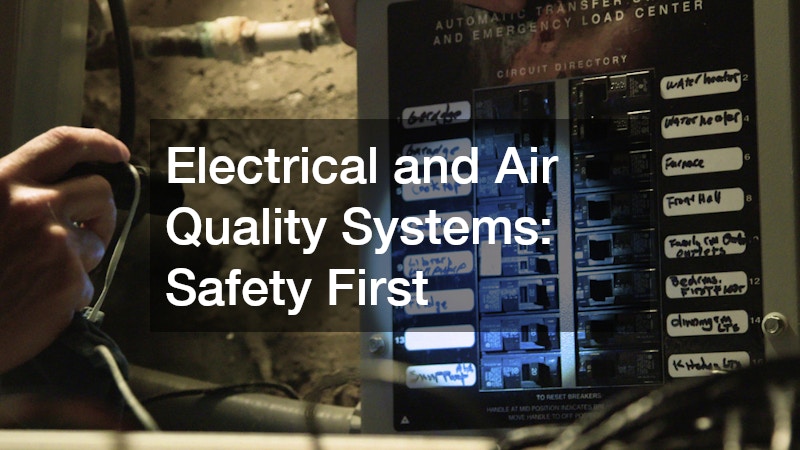
Electrical and Air Quality Systems: Safety First
Electrical systems and indoor air quality play a vital role in creating a safe living environment. Faulty wiring or clogged air ducts can lead to serious safety hazards, so inspecting these areas should be among your first priorities.
Contact a licensed professional to perform electrician services soon after moving in. Many homes, especially older ones, may have outdated wiring or overloaded circuits that pose fire risks. A technician can test outlets, inspect the circuit breaker panel, identify any voltage irregularities, and confirm that ground fault circuit interrupters (GFCIs) are installed in rooms with moisture, such as kitchens and bathrooms.
Equally important is ensuring a clean and efficient ventilation system. Old or neglected ductwork often contains dust, allergens, and debris left behind by previous occupants. Scheduling air duct cleaning and repair services improves air circulation, enhances HVAC performance, and promotes healthier indoor air quality. It can also reduce household odors and alleviate allergy symptoms.
To complete this step, you should:
- Replace air filters in both HVAC and portable systems every 60–90 days.
- Ensure your thermostat functions properly and is placed away from heat sources.
- Check for exposed wiring or outlets that don’t hold plugs securely.
- Clean exhaust fans in bathrooms and kitchens to prevent moisture problems.
Routine professional inspections keep your home electrically sound and ensure you and your family breathe clean, fresh air year-round.
Give It Your Touch: Personalizing the Interior
Once you’ve completed essential home safety checks, it’s time to personalize your new space. Updating colors, finishes, and textures enhances comfort and functionality.
New interior paint is a simple, cost-effective upgrade. A fresh coat brightens rooms, conceals stains, and renews the space. It also protects against moisture and dirt. Choose colors that reflect your personality and complement each room’s natural light.
Start painting in high-traffic areas like hallways, kitchens, and living rooms. Use lighter tones in smaller rooms to make them feel open. Neutral palettes maintain timeless appeal, while accent walls add depth and character.
To further personalize your interior:
- Replace outdated light fixtures and switch covers.
- Refinish or deep-clean flooring before furnishing.
- Upgrade window treatments for style and privacy.
- Add mirrors, rugs, and plants for warmth and texture.
Thoughtful updates create an inviting atmosphere that feels uniquely yours.

Plan Smart Renovations: Focus on Function and Value
Before starting major remodels, evaluate which projects balance comfort, functionality, and long-term value. Strategic renovations enhance daily living and increase your home’s resale value.
The kitchen is often a top upgrade. Collaborating with a reputable kitchen remodeling company ensures your plans blend style with practicality. Professionals optimize counter space, improve lighting, and install energy-efficient appliances. They help choose durable materials like quartz countertops or solid wood cabinetry.
Start renovations with a budget. List priorities, explore financing options, and get multiple quotes before hiring contractors. Plan multiple updates in phases to spread costs.
Guidelines:
- Focus on rooms that see heavy use or add value.
- Choose neutral styles with quality finishes for future buyers.
- Schedule major renovations before moving furniture.
- Upgrade plumbing, electrical, and ventilation systems when remodeling kitchens or bathrooms.
Thoughtful planning leads to smoother projects, fewer surprises, and more satisfying results.
Don’t Let Problems Hide: Moisture and Energy Control
Not all home issues are immediately visible. Hidden moisture or poor insulation can cause damage over time. Addressing these problems promptly protects your investment and enhances your home’s comfort.
If you notice water stains, musty odors, or peeling paint, contact a professional in water damage restoration. Experts assess affected areas, remove moisture, and prevent mold growth. Even minor leaks can leave long-term risks that need attention.
Proper insulation is key to energy efficiency. Hiring an experienced spray foam insulation contractor helps seal gaps that cause temperature fluctuations. This upgrade reduces energy bills and enhances temperature consistency. Sprayed insulation expands to fill cracks, improving comfort and structural strength.
Proactive steps to prevent hidden issues include:
- Installing dehumidifiers in damp areas.
- Running exhaust fans after showers to reduce humidity.
- Checking attic insulation annually.
- Cleaning gutters to divert water from the house.
Combining moisture control with proper insulation leads to a more energy-efficient and healthier environment.

Keep It Flowing: Septic and Drainage Maintenance
If your home is outside a city or town with sewer systems, understanding your septic system is essential. It manages wastewater, and proper maintenance prevents costly mishaps.
Review any service records left by the previous homeowner. If none exist, schedule septic tank pumping within your first year of ownership to remove solid buildup. Depending on usage and household size, septic maintenance is required every three to five years.
Pay attention to your property’s drainage patterns. Water around the foundation or in low areas may indicate poor grading or blocked drainage paths. Keeping water away from your home protects its structure and landscape.
Simple maintenance practices include:
- Avoid flushing wipes, grease, or chemicals down drains.
- Keep heavy equipment off the drain field to prevent soil compaction.
- Ensure gutters channel water away from the foundation.
- Plant trees and shrubs far from septic lines to prevent root intrusion.
Taking care of these systems ensures they work efficiently for years while preventing costly problems.
Review Heating and Fuel Systems: Safety and Sustainability
As a new homeowner, understanding how your heating and fueling systems operate is critical. In many homes, heating uses alternatives to electric systems. Identifying your system ensures proper maintenance and safety.
Homes using propane gas need periodic inspections of tanks, lines, and valves. Propane provides reliable heating and power for appliances but must be handled carefully. Always check for leaks, ensure adequate ventilation, and schedule annual professional servicing. When handled responsibly, propane offers affordable energy and efficiency, especially in regions where electric heating is costly.
Other checks include inspecting furnaces and fireplaces. Clean air vents and replace filters to maintain airflow. Ensure flues and chimneys are cleaned and sealed properly.
For fuel-system safety and performance:
- Keep combustible materials away from heating appliances.
- Install carbon monoxide detectors on each level of your home.
- Schedule annual HVAC tune-ups.
- Verify that all heating system switches and controls work properly.
Managing household fuel systems ensures reliable heat, minimizes safety risks, and promotes energy-consciousness.
Create a Long-Term Maintenance and Inspection Schedule
Owning a home doesn’t end once initial checks and updates are complete. Long-term success depends on keeping up with regular maintenance tasks that prevent deterioration and maintain value. Creating a detailed schedule ensures nothing gets overlooked during your busy routine.
Begin by drafting a calendar that divides maintenance duties by frequency: monthly, seasonal, and annual. This organizational approach helps you plan financially and ensures consistent upkeep.
A sample maintenance breakdown might include:
Monthly tasks: Check smoke detectors, replace HVAC filters, clean kitchen exhaust fans.
Seasonal tasks: Inspect gutters and roof after winter, adjust sprinkler systems in spring, service air conditioning before summer, and check insulation before winter.
Annual tasks: Schedule plumbing and HVAC inspections, touch up exterior paint, and test sump pumps before the rainy season.
Along with personal tracking, maintaining a professional record of all repairs and inspections adds to your home’s resale value. It shows potential buyers that your property has been carefully maintained.
Helpful tips for staying on schedule include:
- Use reminders on your phone or calendar app.
- Create a dedicated home maintenance folder for receipts and records.
- Plan larger projects during mild weather to avoid delays.
- Set aside a small monthly fund to cover unexpected repairs.
A well-organized maintenance routine provides peace of mind, reduces emergencies, and extends every system’s life in your home.
Becoming a homeowner is rewarding and demanding. Protect your investment by being proactive, consistent, and informed about the systems that keep your home running smoothly. Every inspection, upgrade, and preventive step contributes to your safety and comfort.
From plumbing and roofing to ventilation, insulation, and heating, the initial months of ownership set the stage for years of stable living. Today’s care not only prevents costly damage but also enhances energy efficiency and quality of life.
Take pride in maintaining your property and learning its needs. By following this comprehensive homeowner’s guide, you’ll gain confidence in repairs, inspections, and improvements. Over time, your house becomes a well-cared-for home reflecting your commitment and style.
