Why Energy Efficiency Matters More Than Ever
Rising utility costs and increasing environmental awareness have made energy efficiency a top priority for modern homeowners. Heating systems account for a significant portion of a home’s total energy usage, which means even small improvements can lead to noticeable savings. Beyond cost, an efficient system also provides more consistent comfort, better indoor air quality, and fewer unexpected breakdowns.
Today’s heating solutions go far beyond simply turning on a furnace and hoping for the best. Homeowners now have access to advanced technologies, smarter controls, and better installation practices that can dramatically reduce energy waste. The key is understanding how each component of your heating system works together—and where upgrades or adjustments can make the biggest impact.
In this guide, you’ll learn practical, actionable ways to improve your home’s heating efficiency. From evaluating your current setup to choosing the right upgrades and working with professionals, each step is designed to help you maximize comfort while minimizing energy use.
Evaluate Your Current System Before Making Upgrades
Before investing in a new system, it’s important to understand how well your current one is performing. Many homeowners assume they need a full replacement when, in reality, targeted improvements can restore efficiency and extend the life of existing equipment.
Start by looking for warning signs that your system is struggling. Uneven temperatures between rooms, unusual noises, and steadily increasing energy bills often point to underlying issues. In many cases, these problems can be addressed with timely heater repair, especially if the system is still relatively modern.
However, older systems may require more extensive work. Frequent furnace repairs can quickly add up, both in cost and inconvenience. If your system is over 15–20 years old, it may be operating at a much lower efficiency level compared to today’s standards. In this situation, continuing to repair it may not be the most cost-effective option.
A professional inspection is one of the smartest first steps. An experienced technician can evaluate airflow, system performance, and energy consumption to determine whether repairs or replacement make more sense. This ensures you’re making an informed decision rather than guessing.
Upgrade to High-Efficiency Heating Systems That Save Money
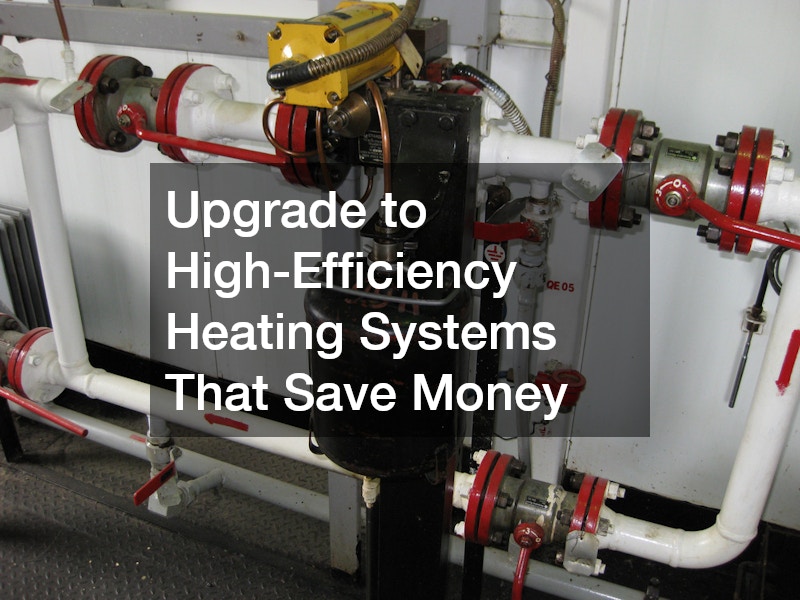
Upgrading to a modern heating system is one of the most impactful ways to improve your home’s overall energy efficiency. Older systems tend to lose performance over time, often operating at significantly lower efficiency levels than newer models. This means they consume more energy just to maintain the same level of comfort, which directly increases your monthly utility costs.
One of the most efficient options available today is a ductless heat pump. These systems work by transferring heat rather than generating it, making them far more energy-efficient than traditional systems. They also allow for zoned heating, which means you can control the temperature in specific rooms instead of heating your entire home unnecessarily. This targeted approach can lead to substantial energy savings, especially in larger households.
Working with professionals who specialize in Heating services ensures that you choose a system that fits your home’s specific needs. Factors such as square footage, ceiling height, insulation quality, and even window placement all influence which system will perform best. An improperly sized system—whether too large or too small—can lead to inefficiency, uneven heating, and increased wear and tear.
When evaluating options, look closely at efficiency ratings like SEER (Seasonal Energy Efficiency Ratio) and AFUE (Annual Fuel Utilization Efficiency). While higher-rated systems may come with a higher upfront cost, they often pay for themselves over time through reduced energy bills. Investing in the right system now can provide long-term comfort, reliability, and savings.
Improve Hot Water Efficiency Without Sacrificing Comfort
Heating water is another major contributor to energy usage in most homes. Improving efficiency in this area can lead to noticeable reductions in monthly utility bills without compromising comfort.
Traditional tank-based water heater systems continuously heat and store water, which can result in energy loss over time. Newer options, including tankless models, heat water on demand, reducing standby energy waste. Choosing the right system depends on your household’s size and usage patterns.
Professional water heater installations ensure that your system is properly sized and configured for maximum efficiency. Incorrect installation can lead to performance issues and higher energy consumption, so it’s important to get it right from the start.
In addition to upgrading equipment, small adjustments can also improve efficiency. Lowering the temperature setting slightly, insulating pipes, and placing the unit in a well-insulated area can all help reduce energy use without affecting performance.
Maintain Your System Regularly to Prevent Energy Waste
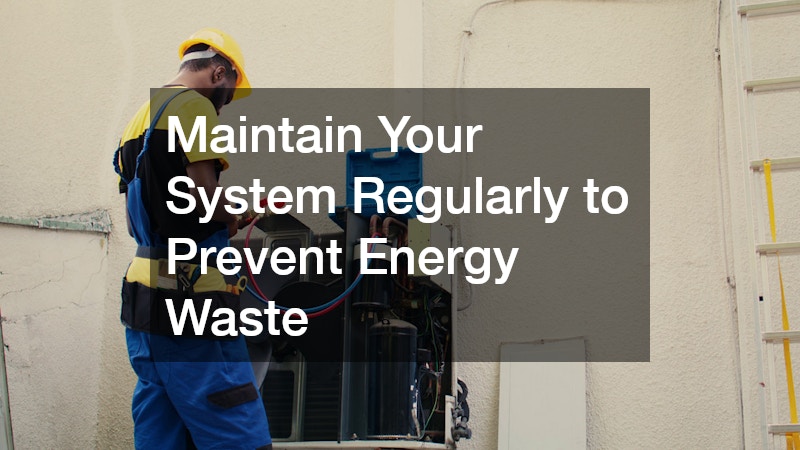
Routine maintenance is essential for keeping your heating system operating efficiently year after year. Even the most advanced equipment will gradually lose efficiency if it isn’t properly maintained, leading to higher energy consumption and a greater risk of unexpected breakdowns.
One key area that homeowners often overlook is water heater service. Over time, sediment can build up inside the tank, especially in areas with hard water. This buildup forces the system to work harder to heat water, reducing efficiency and increasing energy costs. Flushing the tank regularly helps remove sediment and restore optimal performance.
In addition to water systems, addressing small issues early through heater repair can make a significant difference. Minor problems like worn-out components, dirty burners, or airflow restrictions can quickly escalate if left unattended. Fixing these issues promptly not only improves efficiency but also extends the lifespan of your system.
Homeowners can take a proactive approach by handling basic maintenance tasks such as replacing air filters every 1–3 months, keeping vents clear of obstructions, and checking for visible signs of wear. However, professional inspections are still crucial. Scheduling a yearly tune-up allows technicians to catch hidden issues, test system performance, and ensure everything is running as efficiently as possible.
Creating a maintenance calendar is a simple yet effective way to stay on track. By planning regular checkups and seasonal tasks, you can avoid costly repairs and keep your system performing at its best.
Seal and Insulate Your Home for Better Heat Retention
Improving your home’s insulation and sealing air leaks is one of the most cost-effective ways to boost heating efficiency. Even the most advanced system will struggle to maintain comfort if warm air is constantly escaping and cold air is entering.
Start by identifying common problem areas where heat loss occurs. Attics are a major source of energy loss, as heat naturally rises and escapes through poorly insulated roofs. Walls, crawl spaces, and basements are also key areas that can benefit from additional insulation. Upgrading these spaces helps create a thermal barrier that keeps warm air inside where it belongs.
Air leaks around windows and doors are another common issue. Small gaps may not seem significant, but they can add up quickly, forcing your system to work harder to maintain a consistent temperature. Sealing these gaps with weatherstripping or caulking is a simple DIY project that can deliver immediate results.
Homes that rely on systems like a ductless heat pump benefit greatly from improved insulation, as it allows the system to operate more efficiently and maintain stable temperatures. Additionally, reducing overall system strain can help minimize the need for frequent furnace repairs, saving both time and money.
For a more thorough approach, consider conducting a home energy audit. This can be done independently using basic tools or by hiring a professional who can identify hidden inefficiencies. By addressing insulation and air leakage issues, you create a stronger foundation for all other energy-saving upgrades in your home
Use Smart Thermostats and Zoning for Precise Control
Smart technology has made it easier than ever to control your home’s heating system efficiently. Programmable and smart thermostats allow you to adjust temperatures based on your schedule, reducing energy use when you’re not home. Instead of maintaining a constant temperature all day, you can set your system to lower output during work hours or overnight and automatically warm up before you return or wake up.
Heating services providers now recommend smart thermostats as a standard upgrade because of their ability to optimize energy usage without sacrificing comfort. Many models go beyond simple scheduling by learning your daily routines and preferences over time. They can detect when the home is unoccupied, adjust settings accordingly, and even factor in outdoor weather conditions to maintain efficiency. Remote access through smartphone apps also gives homeowners full control, allowing quick adjustments from anywhere.
Working with experienced HVAC companies ensures that your thermostat and zoning system are properly integrated with your heating equipment. Proper setup is essential, as compatibility issues or incorrect calibration can reduce the effectiveness of even the most advanced devices. A professional can also help position sensors in optimal locations to ensure accurate temperature readings throughout the home.
Zoning systems take this a step further by dividing your home into separate areas with individual temperature controls. This prevents energy waste by only heating the spaces you’re actively using. For example, rarely used rooms can remain at lower temperatures, while living areas stay comfortable. This targeted approach not only improves efficiency but also reduces overall strain on your system, helping extend its lifespan.
Work with Qualified Professionals for Proper Installation
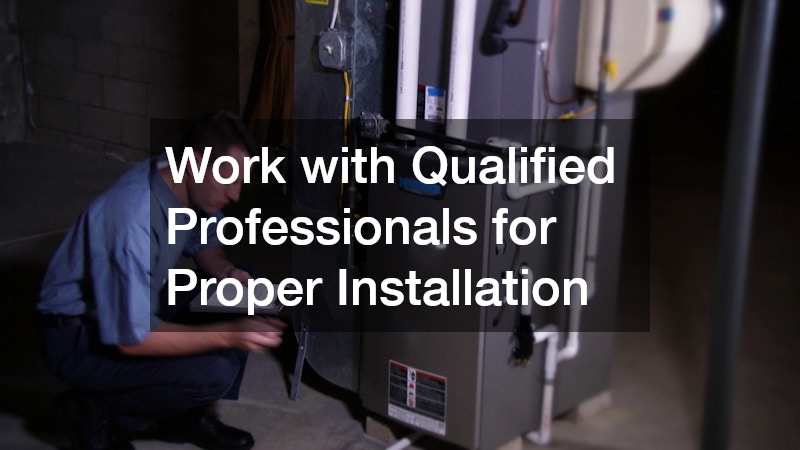
The quality of your installation plays a major role in your system’s efficiency. Even the best equipment can underperform if it’s not installed correctly.
Hiring a skilled local plumber or technician ensures that your system is set up properly from the beginning. Professionals understand how to optimize airflow, connect components correctly, and avoid common installation mistakes.
A qualified plumbing contractor can also help coordinate upgrades that involve both heating and water systems. This is especially important for larger projects where multiple systems need to work together seamlessly.
When choosing a professional, look for proper licensing, certifications, and positive customer reviews. Taking the time to find the right expert can save you from costly issues down the line.
Compare Service Providers to Maximize Value and Performance
Not all service providers offer the same level of quality, so it’s important to do your research before making a decision. Comparing multiple options helps ensure you’re getting the best value for your investment.
Start by evaluating HVAC companies based on their experience, reputation, and range of services. Companies that offer comprehensive maintenance plans and warranties often provide better long-term value.
It’s also important to consider the quality of ongoing support. Reliable water heater service and maintenance programs can help keep your system running efficiently for years to come.
Requesting multiple quotes allows you to compare pricing and services side by side. This makes it easier to identify which provider offers the best combination of expertise and value.
Combine Heating Upgrades with Whole-Home Efficiency Improvements
For the best results, heating upgrades should be part of a broader approach to home efficiency. Combining improvements across multiple systems can lead to greater energy savings and improved performance.
Coordinating water heater installations with other upgrades ensures that all components are working together efficiently. For example, improving insulation while upgrading your heating system can maximize the benefits of both.
A plumbing contractor can help identify opportunities to improve efficiency across your home’s systems. This may include upgrading pipes, improving water flow, or integrating new technologies.
Taking a holistic approach also opens the door to rebates and incentives. Many programs reward homeowners who invest in energy-efficient upgrades, helping offset initial costs.
Know When to Call Experts for Ongoing Efficiency
Even with proper maintenance and upgrades, there will be times when professional assistance is necessary. Knowing when to call for help can prevent small issues from becoming major problems.
If you notice sudden changes in performance, unusual noises, or spikes in energy usage, it’s time to contact a local plumber or technician. Early intervention can often resolve the issue quickly and affordably.
Recurring problems may indicate the need for more extensive furnace repairs. Addressing these issues promptly helps maintain efficiency and prevents further damage.
Building a relationship with a trusted service provider ensures you always have someone to call when needed. This not only provides peace of mind but also helps keep your system running efficiently year-round.
Creating a Comfortable and Efficient Home for the Future

Improving your home’s heating efficiency doesn’t have to be overwhelming. By taking a step-by-step approach—evaluating your current system, making smart upgrades, and maintaining your equipment—you can achieve significant energy savings while enhancing comfort.
Modern solutions offer more control, better performance, and greater reliability than ever before. When combined with proper insulation and smart technology, these systems can transform the way your home uses energy.
The key is to stay proactive. Regular maintenance, timely upgrades, and working with qualified professionals will help ensure your home remains efficient for years to come. Small improvements made today can lead to lasting benefits, both financially and environmentally.
